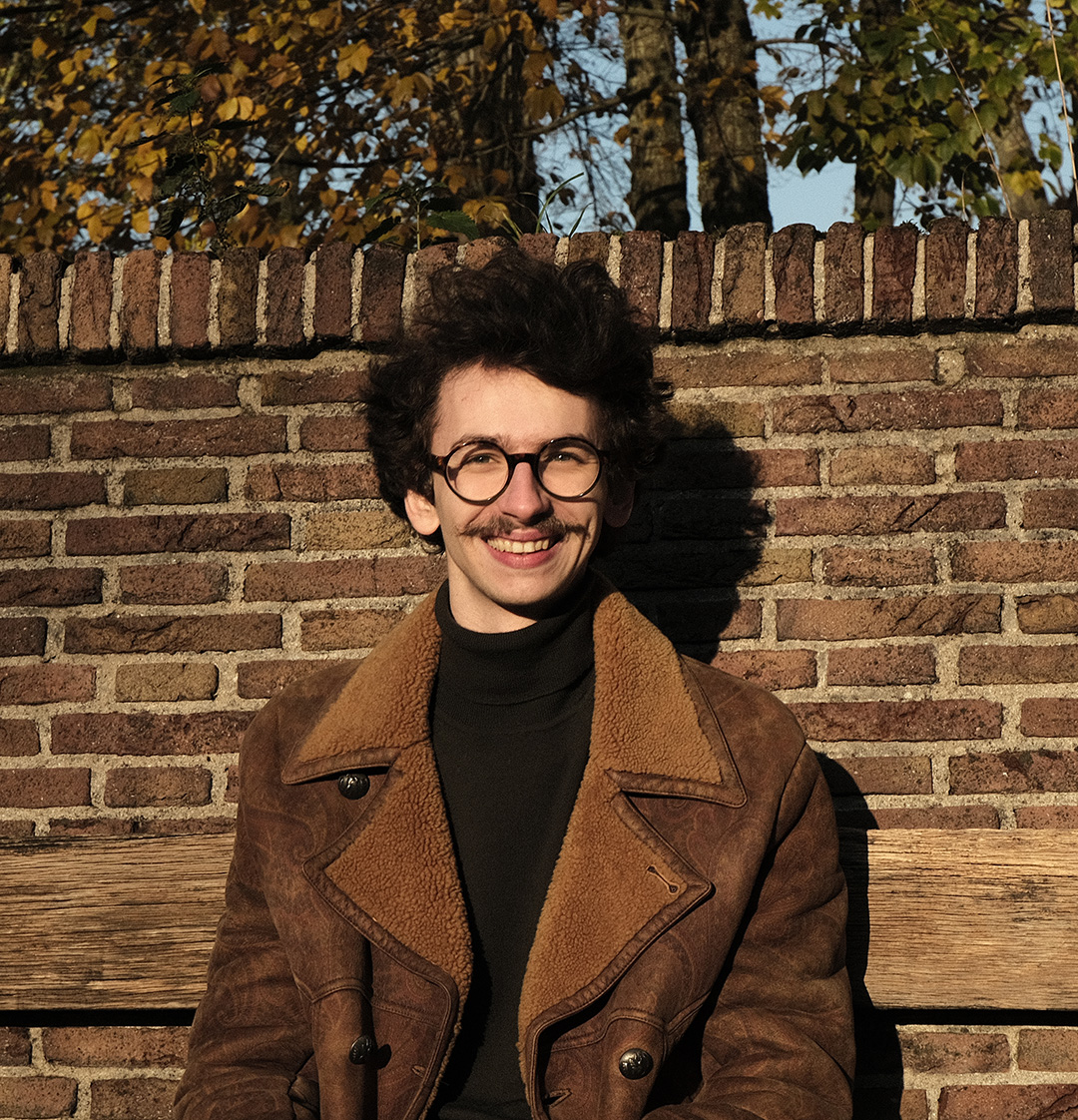
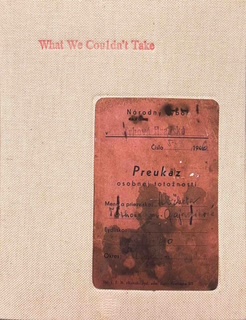
What We Could Not Take
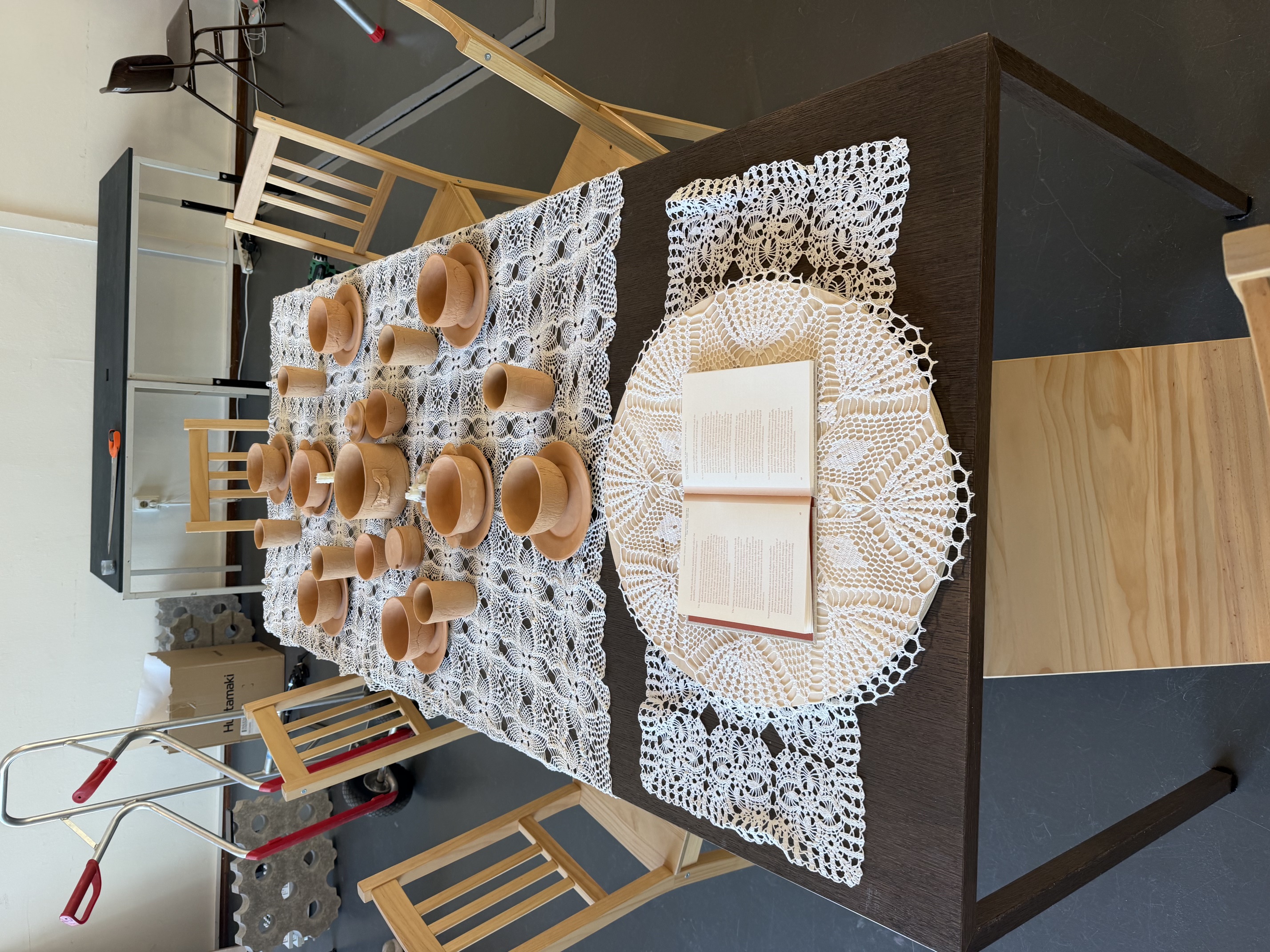
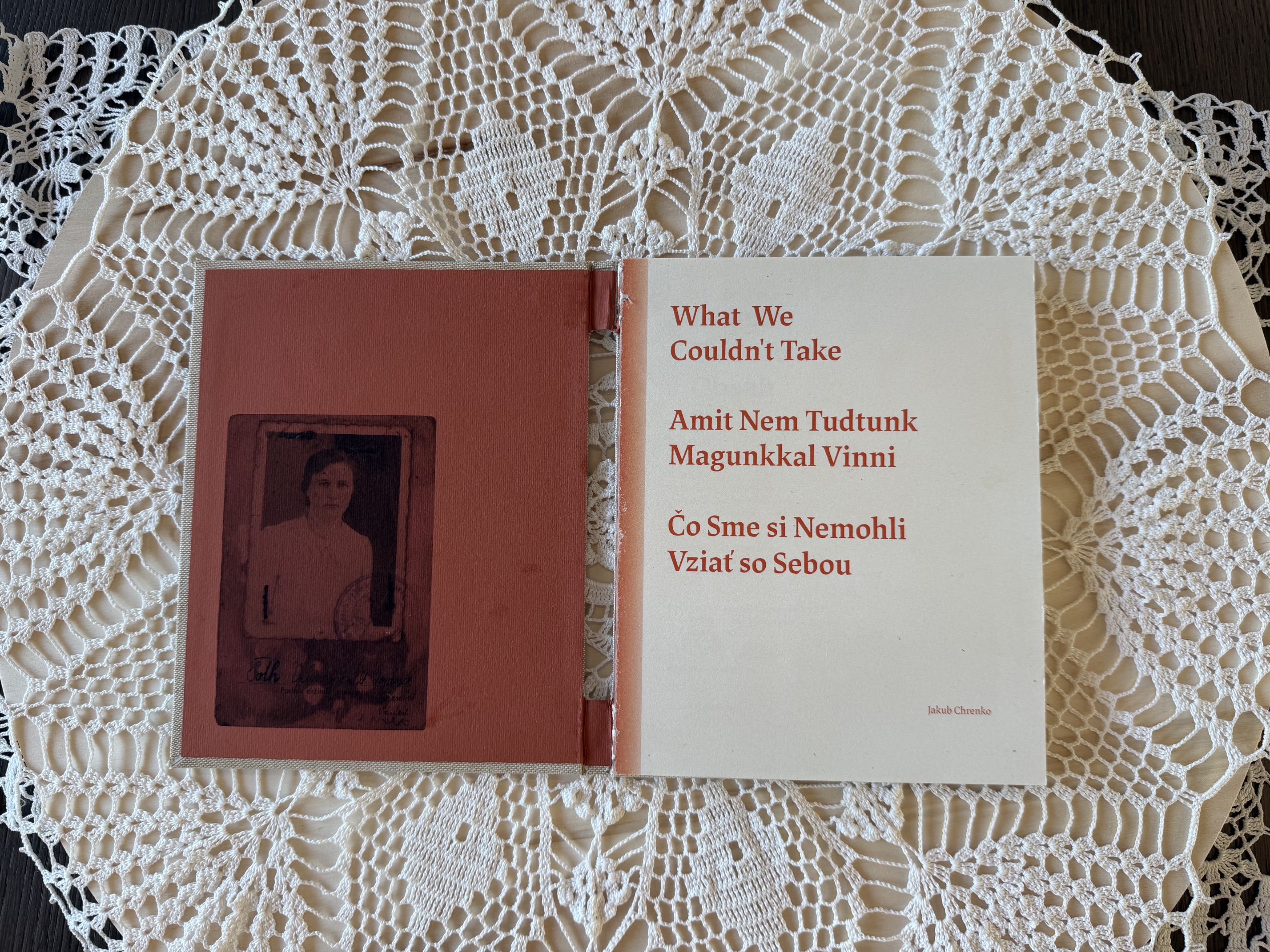
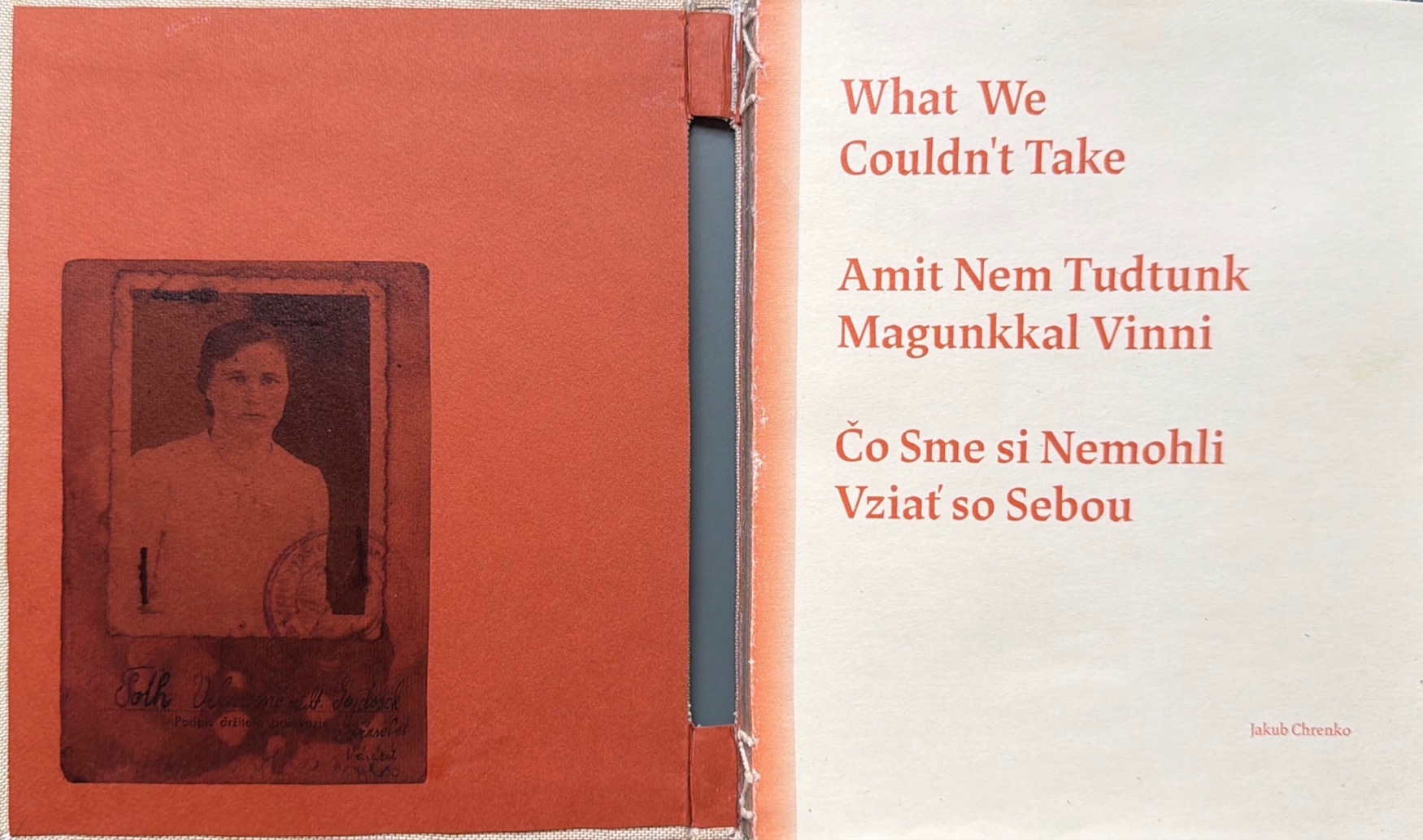
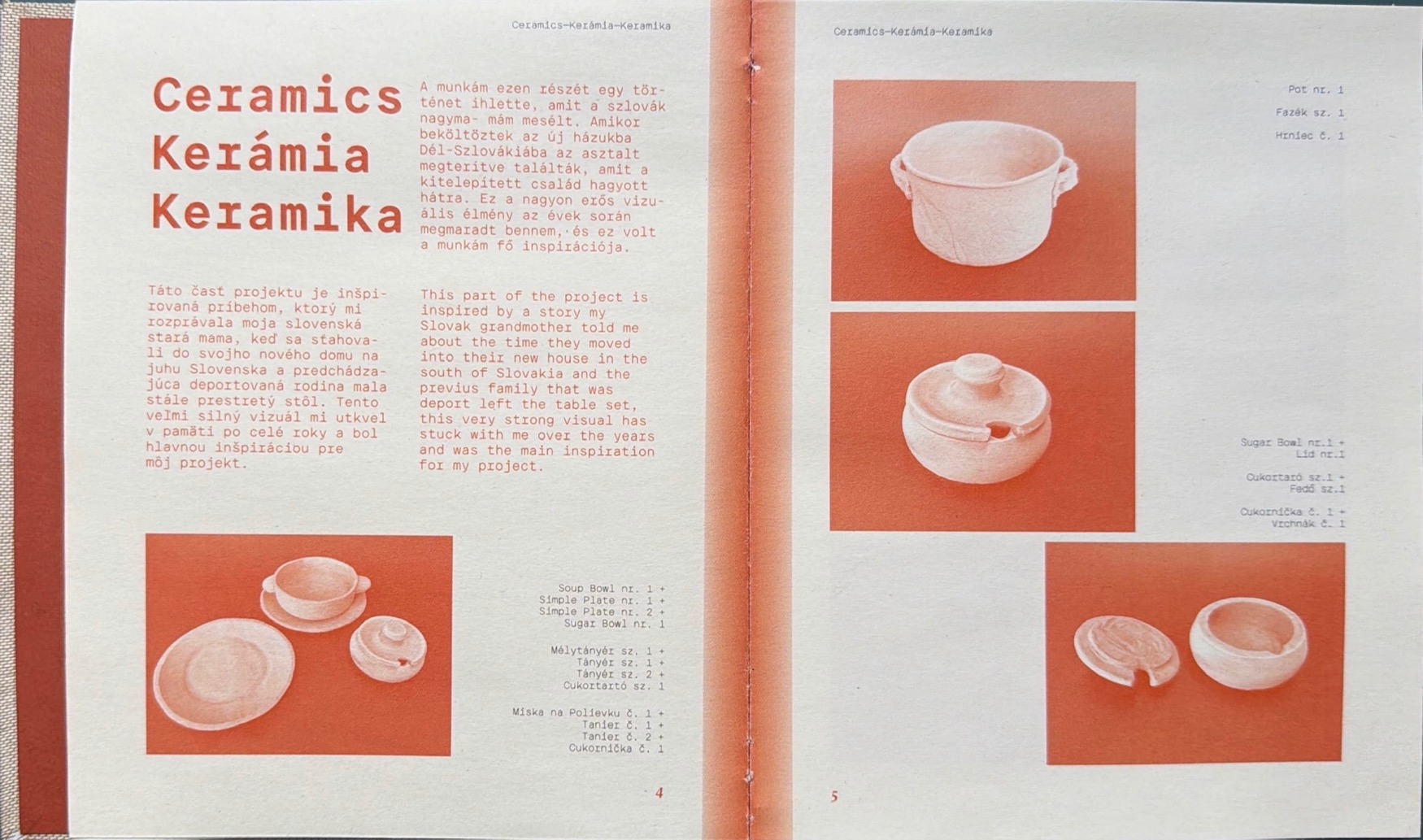
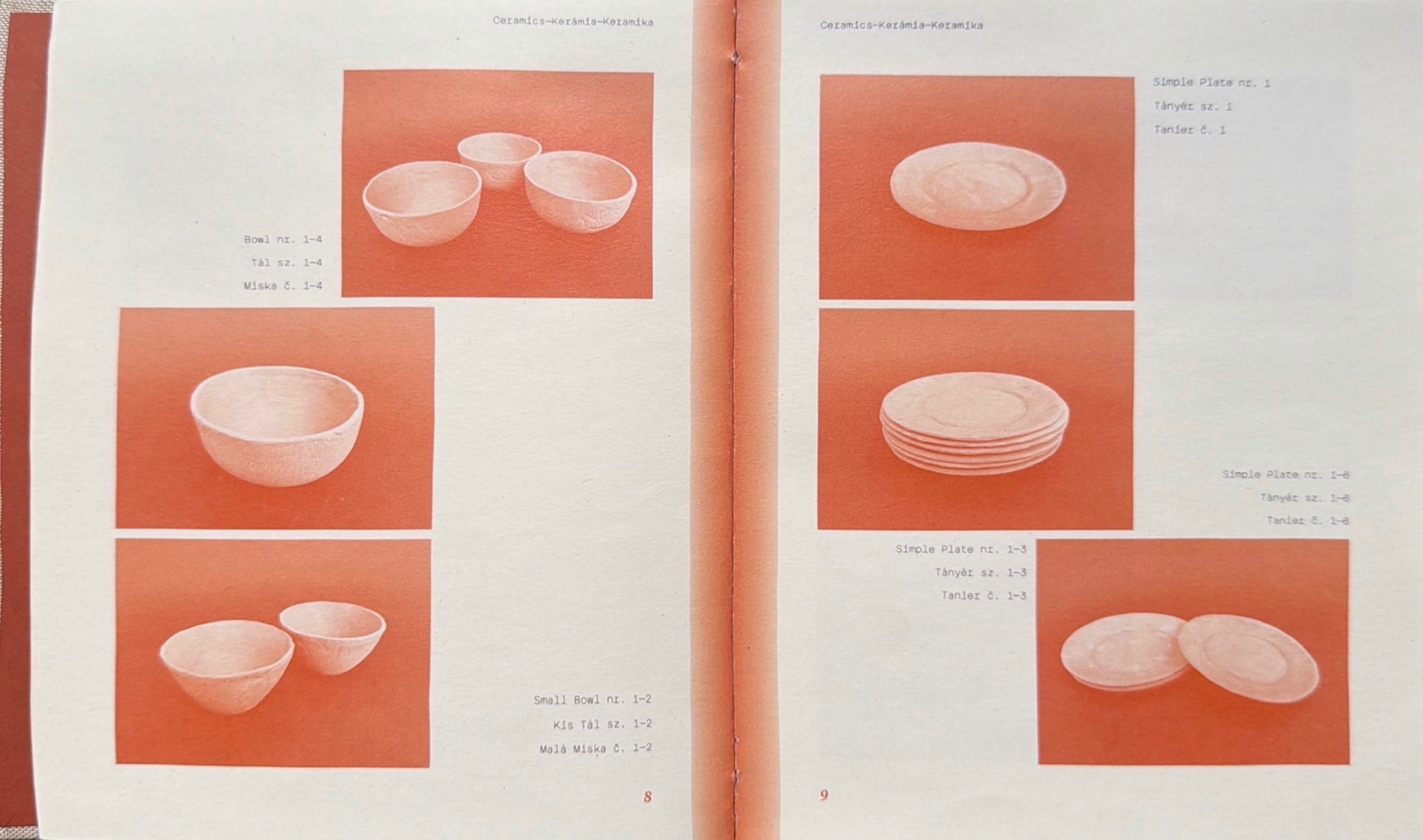
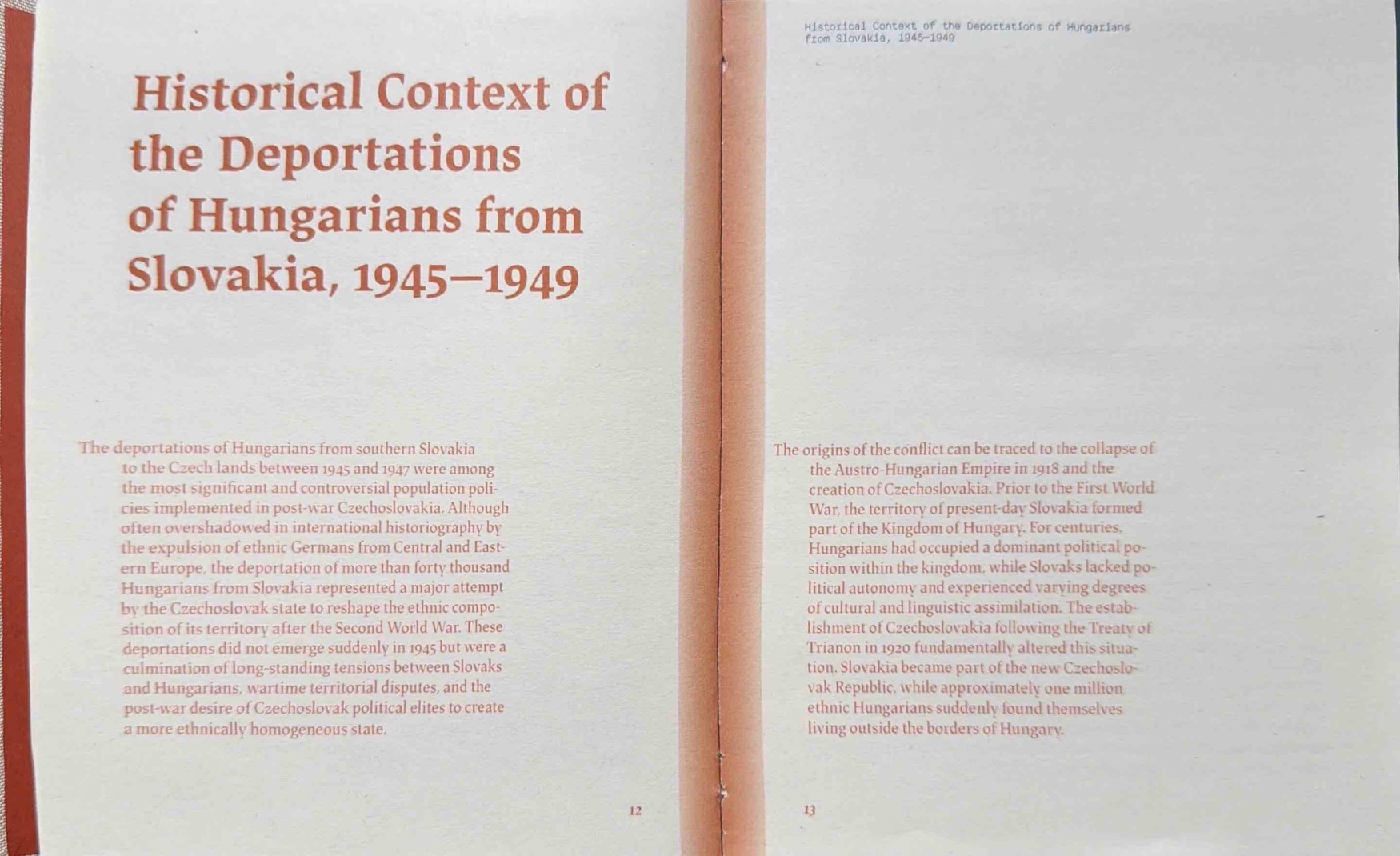
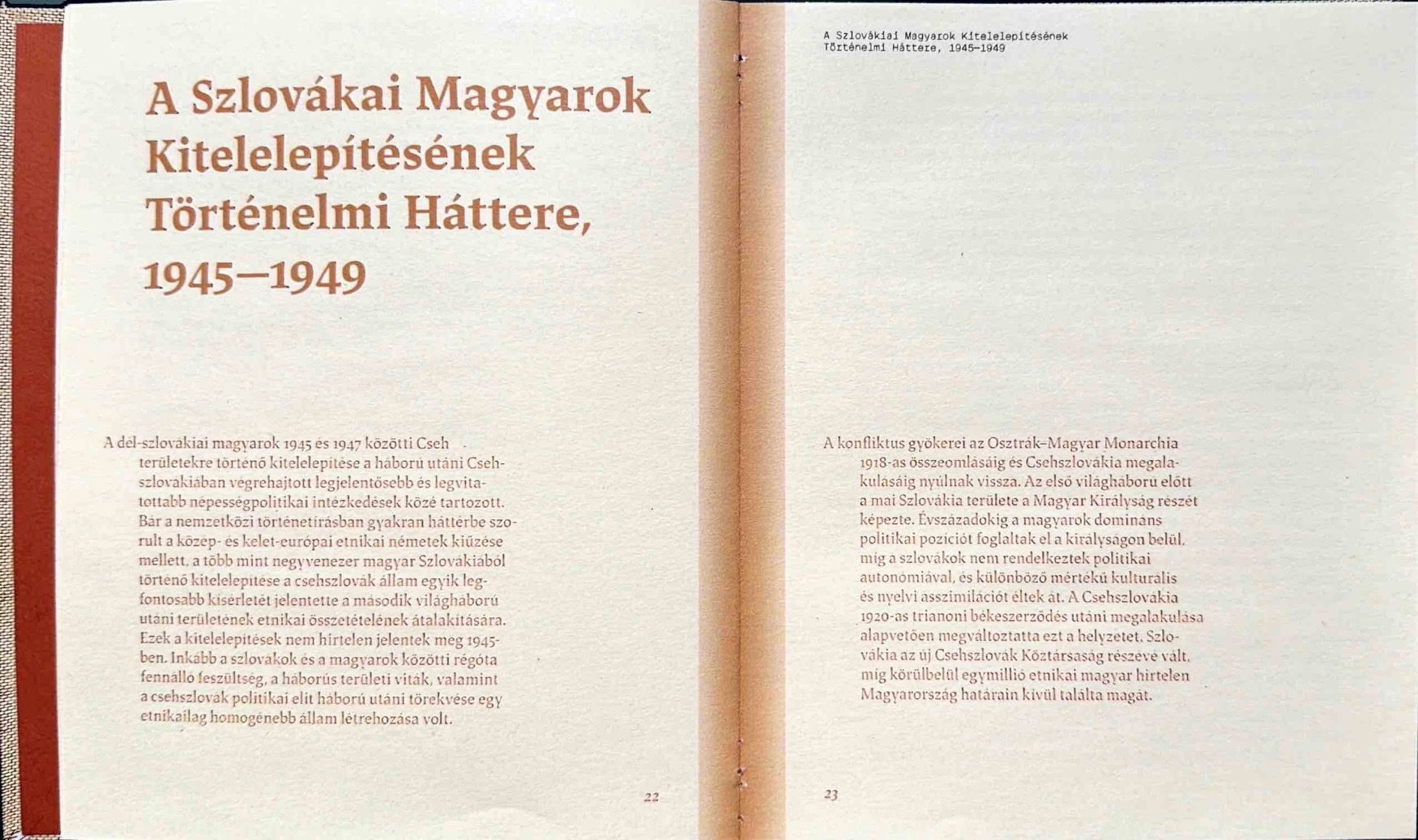
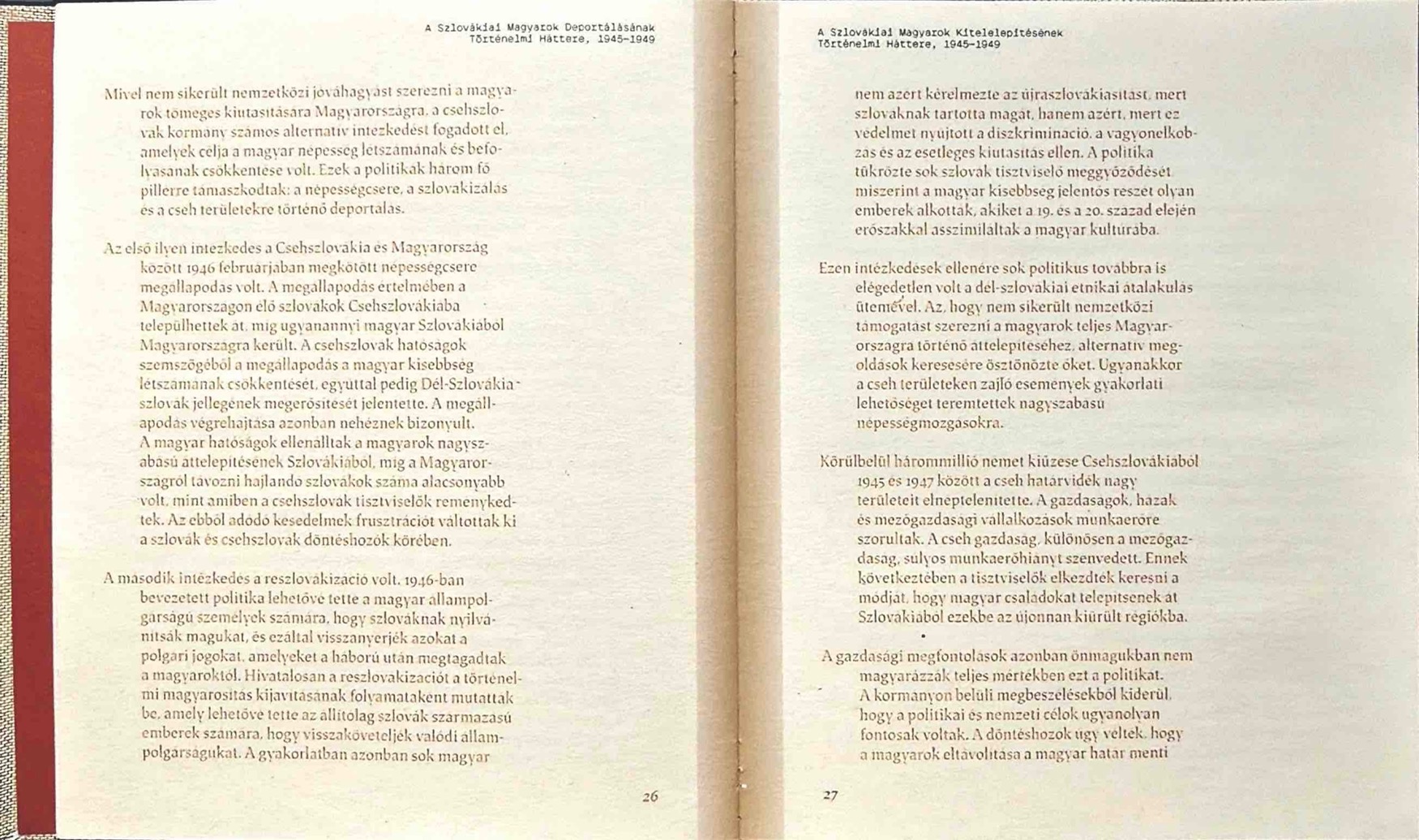
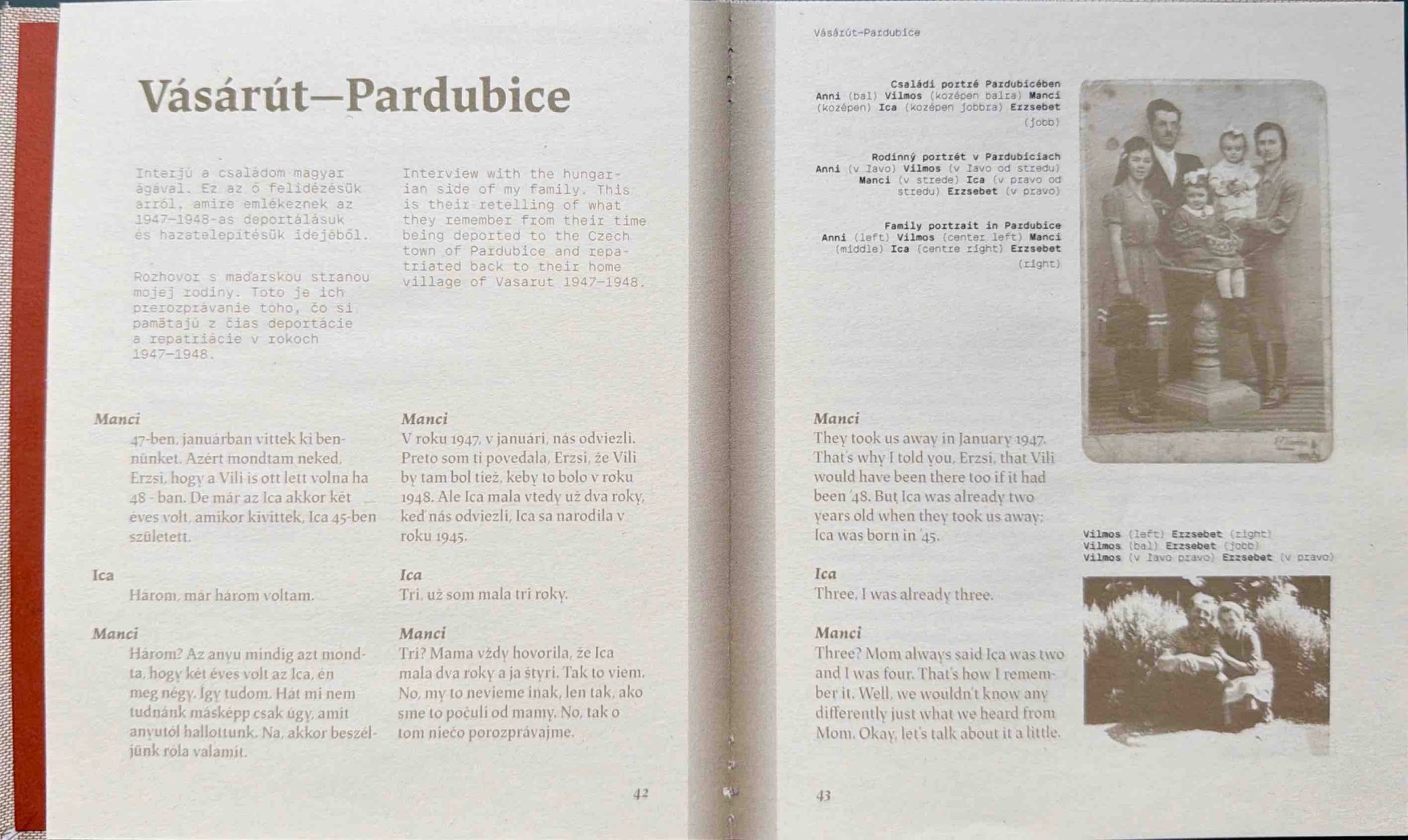
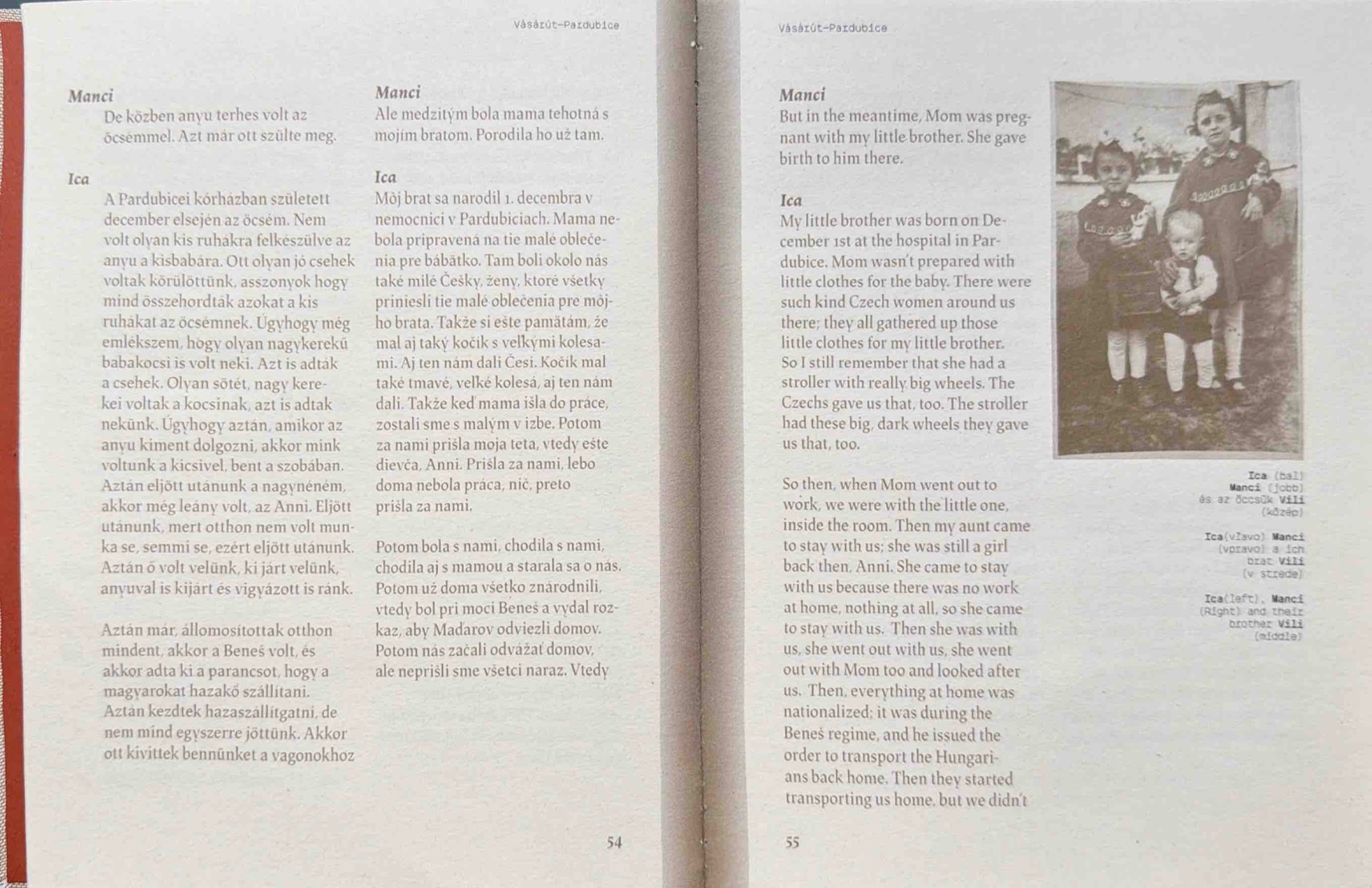
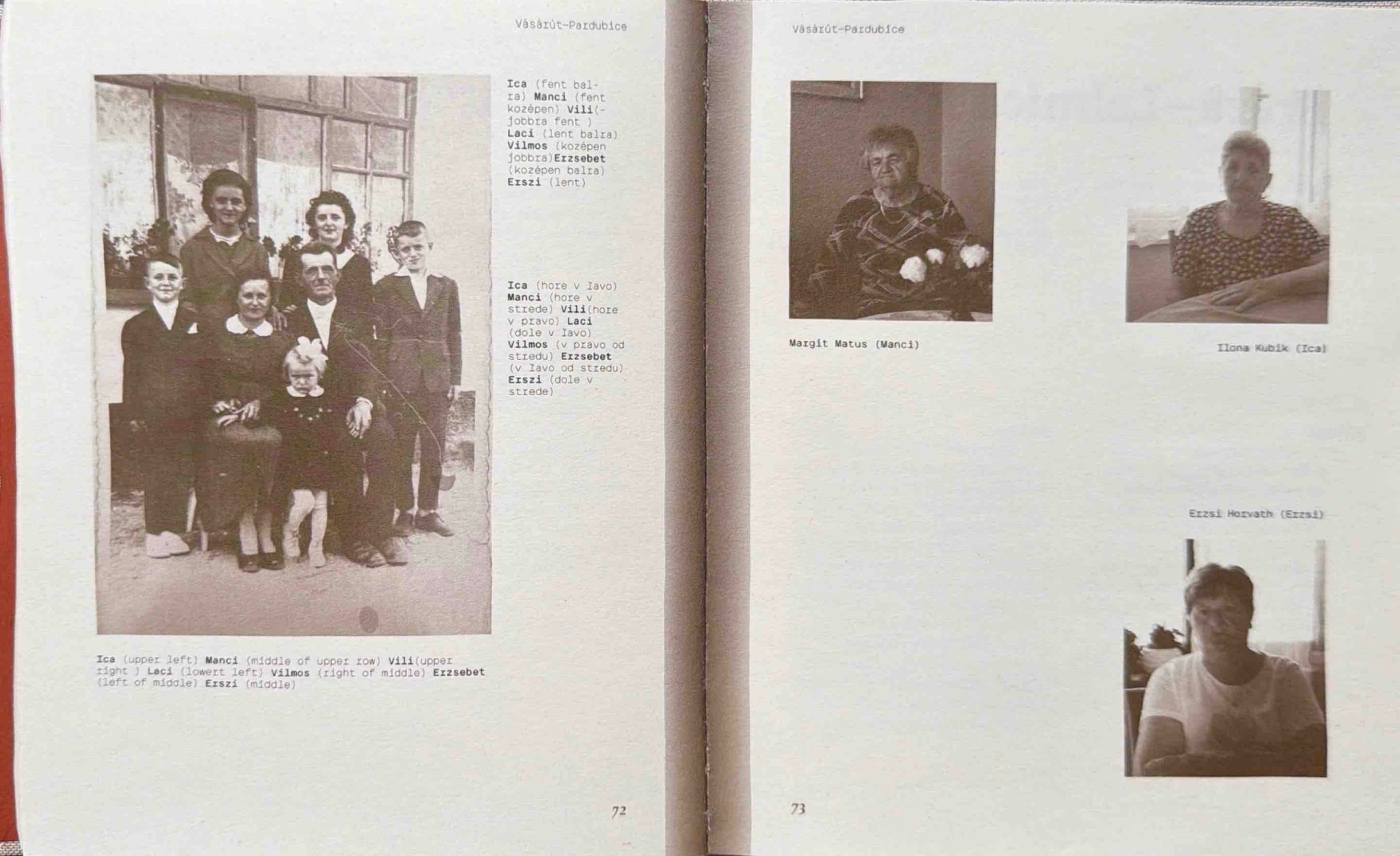
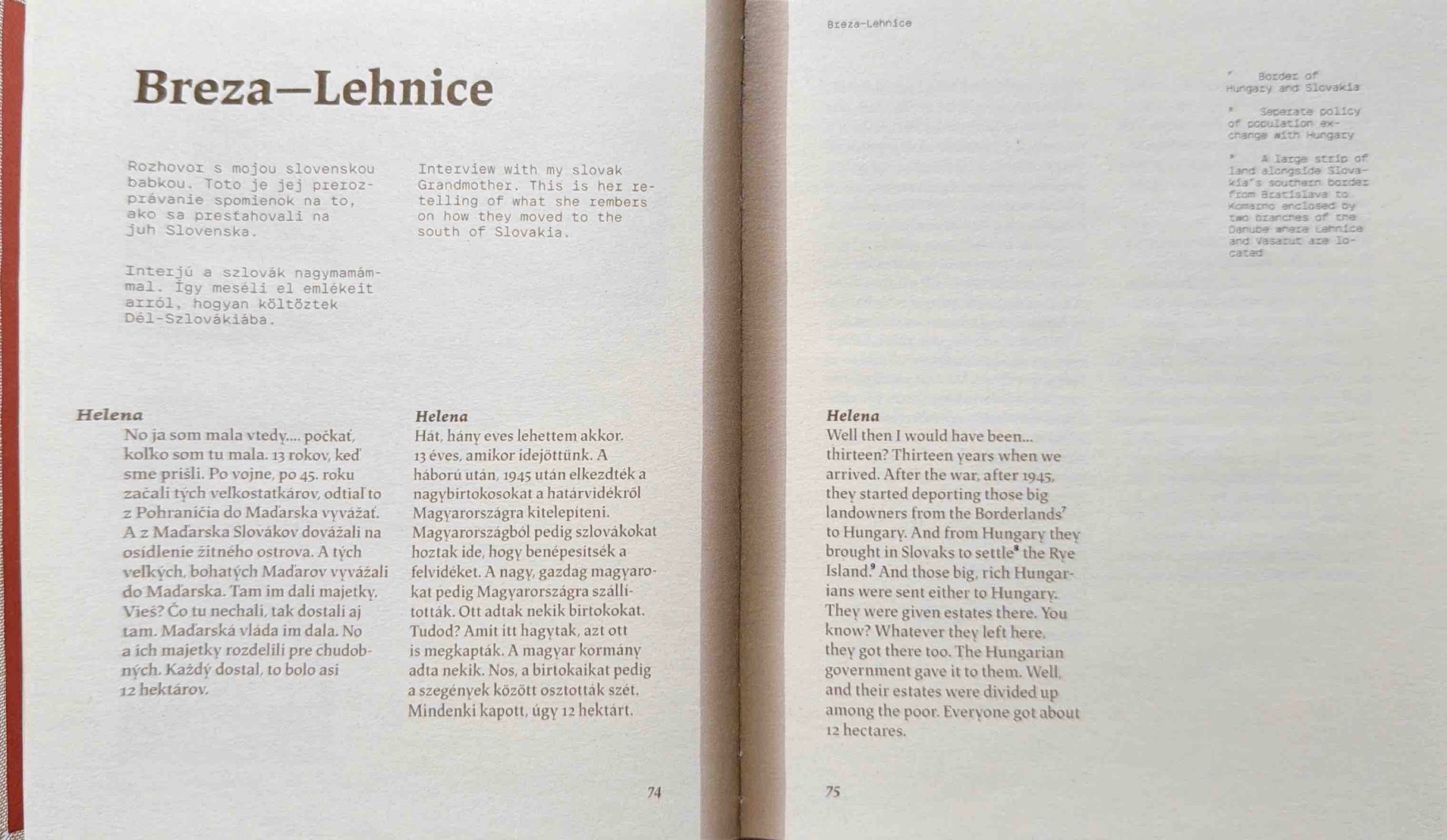
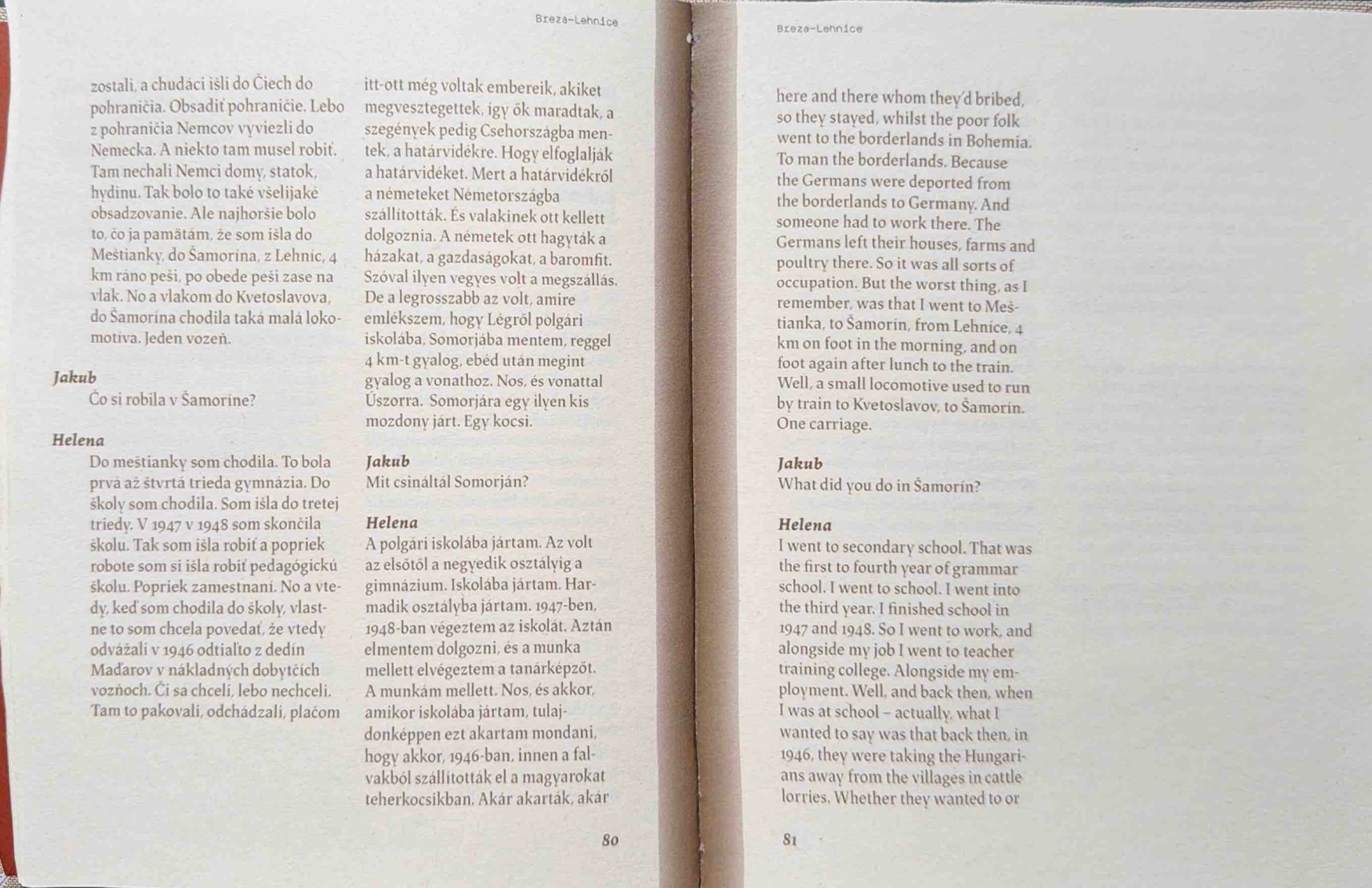
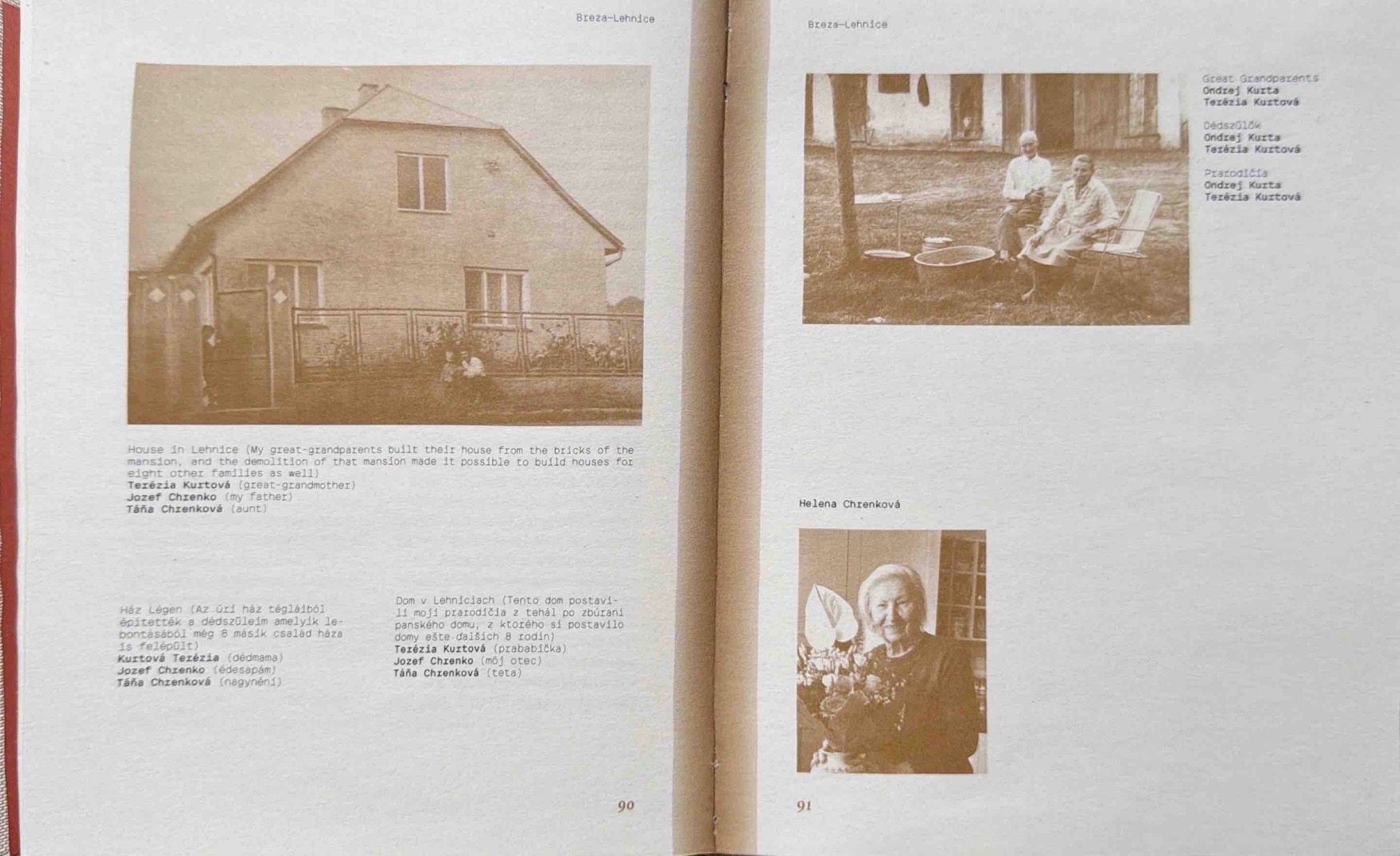
Through ceramics, interviews and writng, I explore my families’ histories in the postwar years at the height of ethnic deportatons in Slovakia. The book contains retellings of the events from my grandmothers and extended family’s experiences from both sides of this event and my own thoughts. This project aims to make a complicated topic approachable through telling a very personal story and putting historical facts and statistics into perspective to show the human side of history.
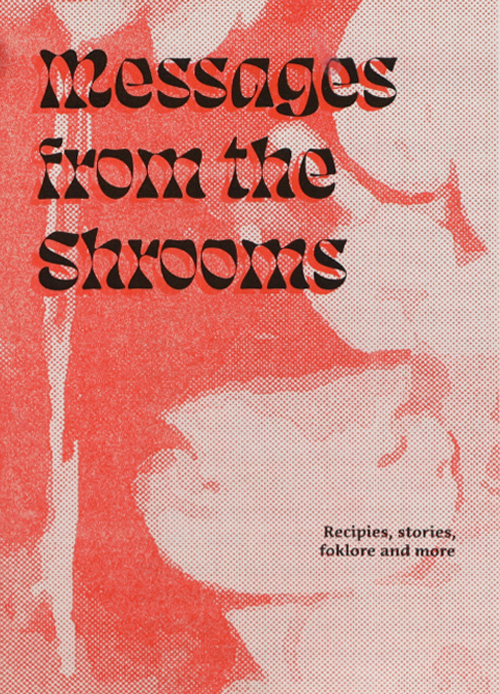
Messages from the Mushrooms
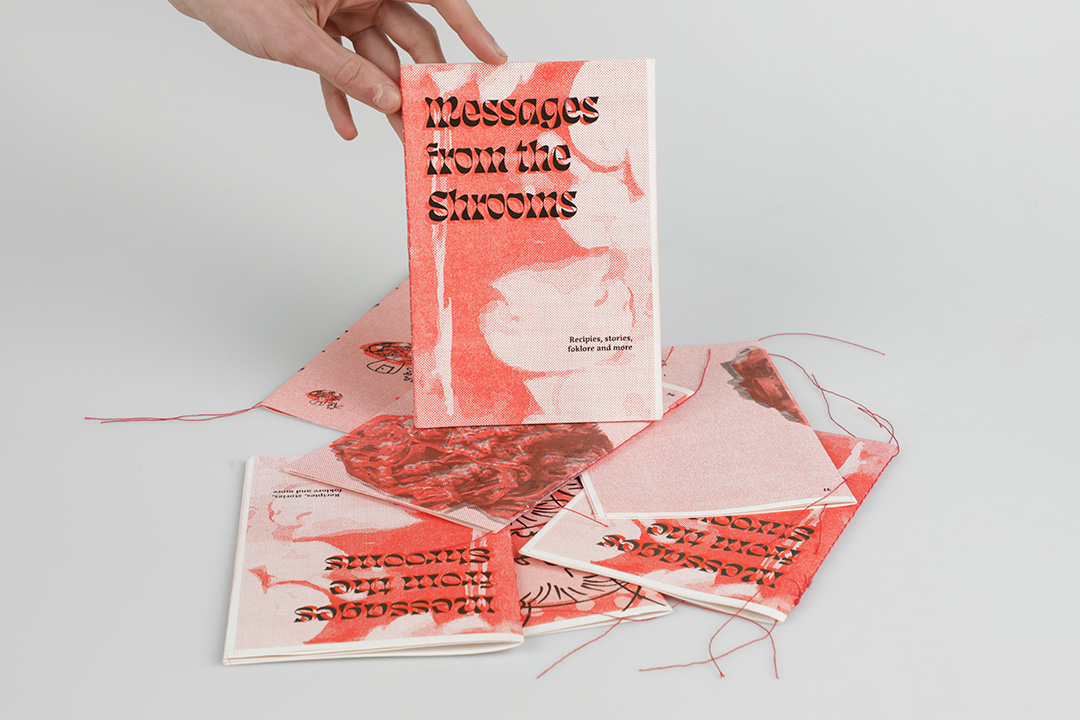
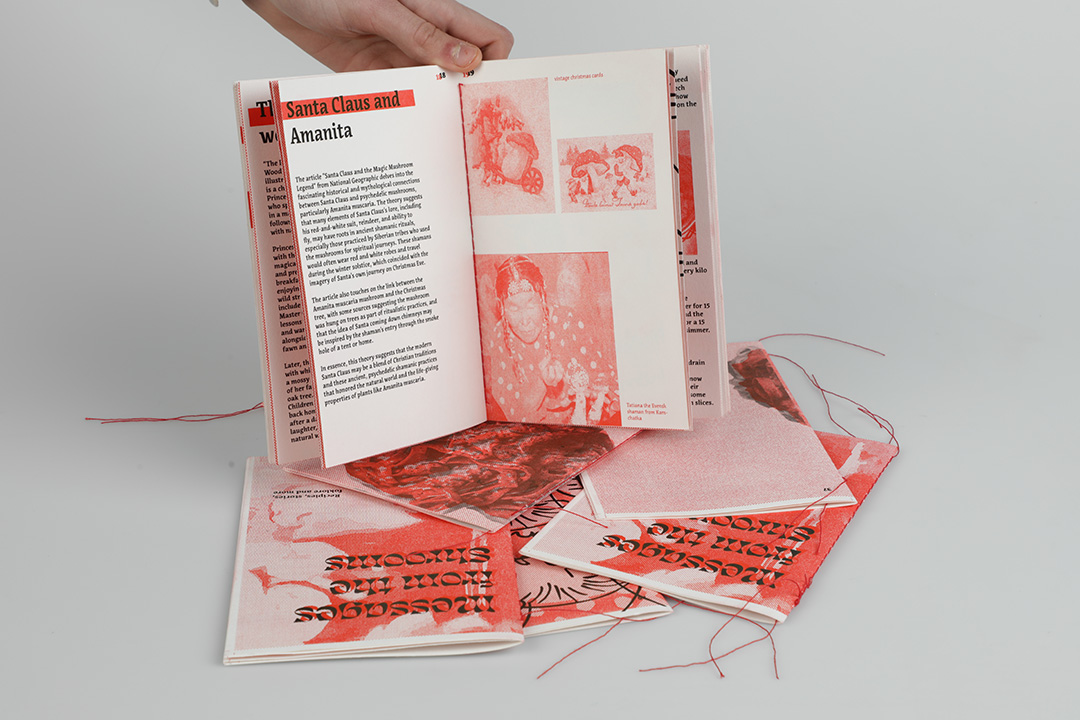
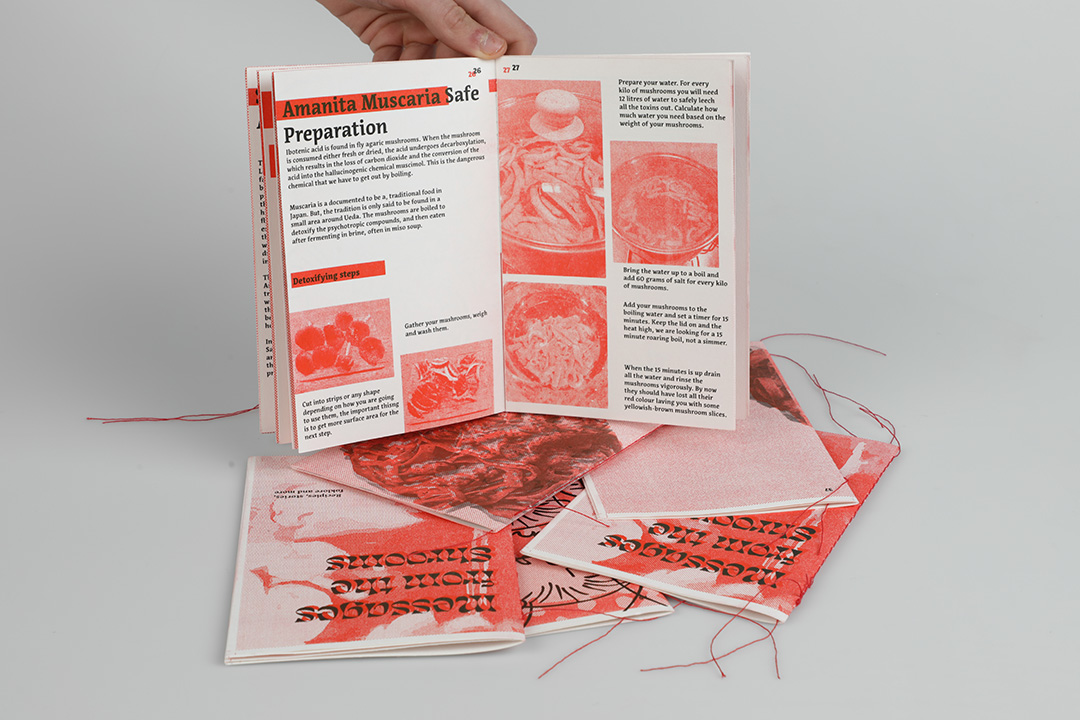
Messages from the mushrooms is a collection of stories, myths, personal accounts and recipes all talking about the Amanita Muscaria mushroom. Despite the mushroom being thought of as poisonous (which it is if prepared incorrectly) this work explores how it has been eaten all around the world throughout history and puts it in the wider cultural context of stories myths and legends. Instructions on how to prepare it correctly. Existing along with potential recipes this mushroom could be used in.
The Digital Past
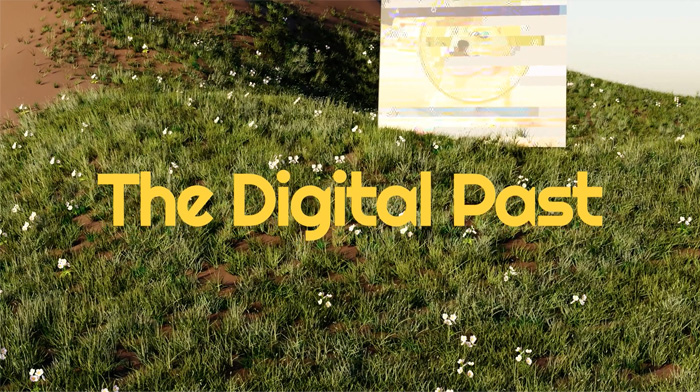
The project started from a text by Hito Steyerl called In Defense of the Poor Image. We were inspired by her idea that “the poor image mocks the promises of digital technology. Not only is it often degraded to the point of being just a hurried blur, one even doubts whether it could be called an image at all.” This became the starting point for our video. In the short film, we explain the idea of the poor image and explore the Life Cycle of an Image on the internet. We show how low-quality images still hold value, even though they’re often overlooked or underappreciated. We want viewers to pay attention to the stories behind these images and understand that high quality doesn’t always mean something is more important or meaningful.
We used AI for the voice-over to connect the video more deeply with internet culture. Artificial intelligence is a very popular topic online, and its use ties in well with the subject. We also included memes in the video, since they are one of the most common forms of poor images. Starting from the original photo, we show how it transforms into a meme using glitch effects to reference the digital and online environment.
These meme videos were then placed in natural landscapes to create a contrast between the internet and the outside world. It’s about pulling these evolving, digital images out of their native space and placing them into something static and “real.”
MVD
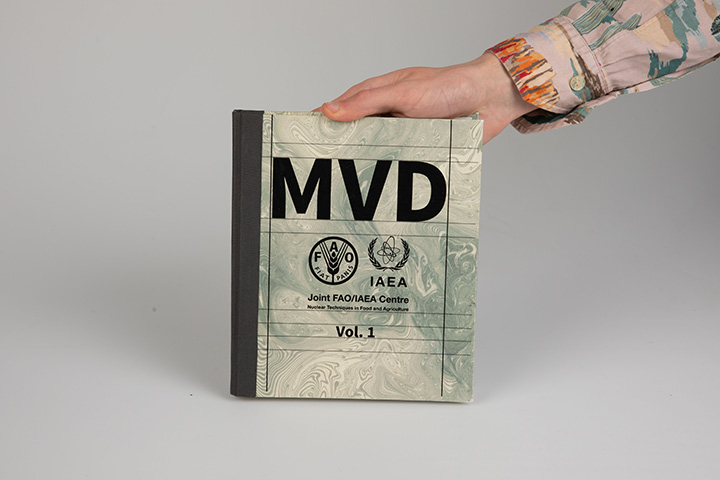
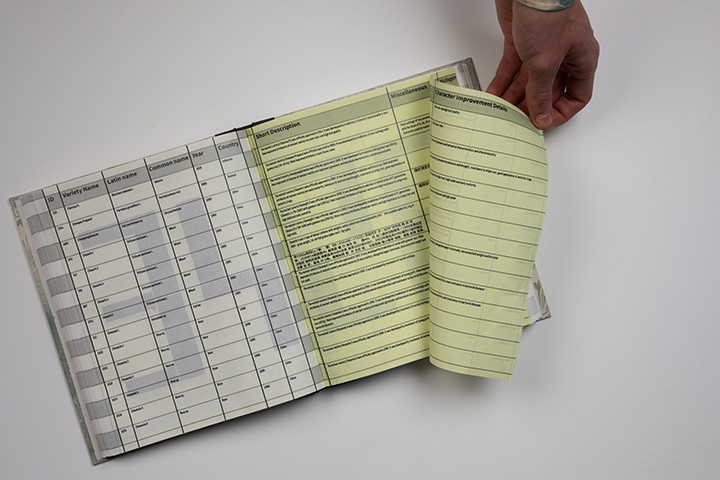
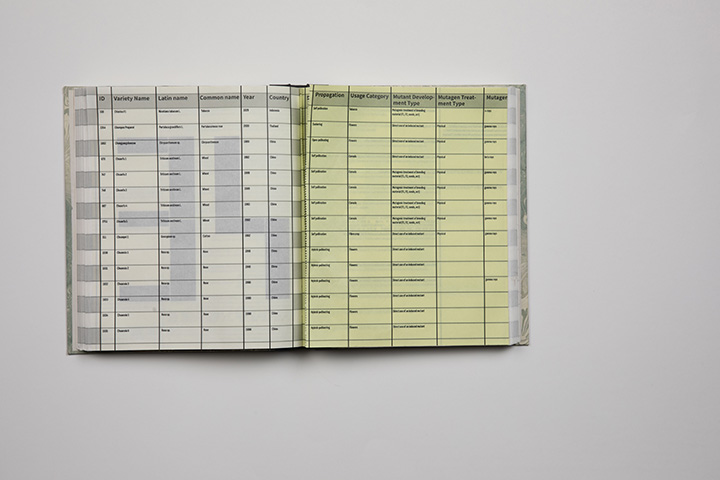
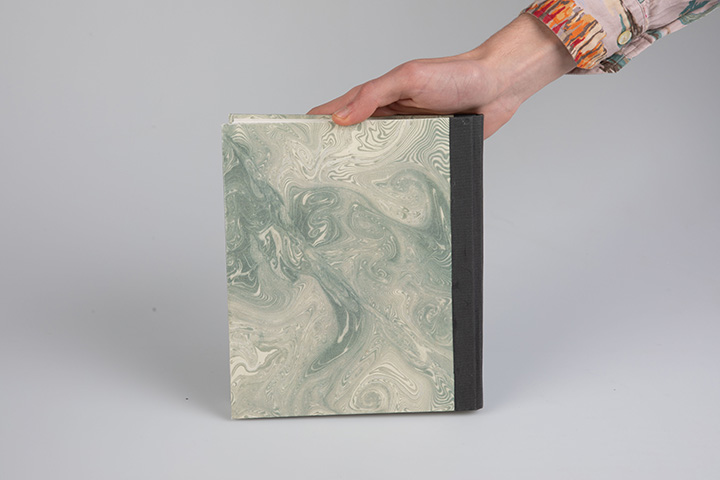
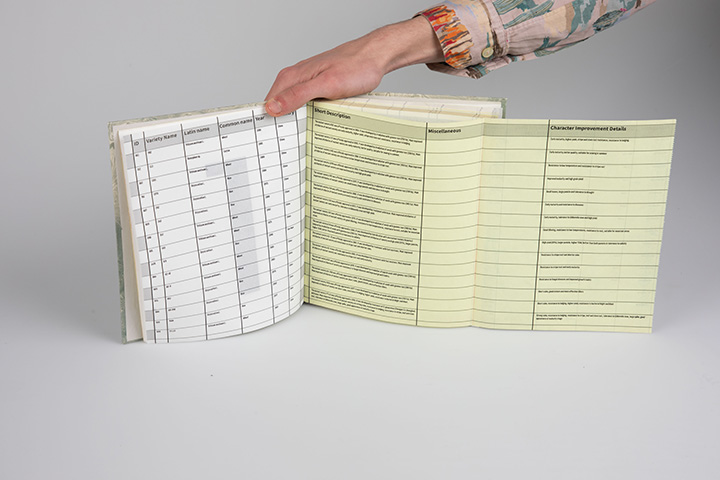
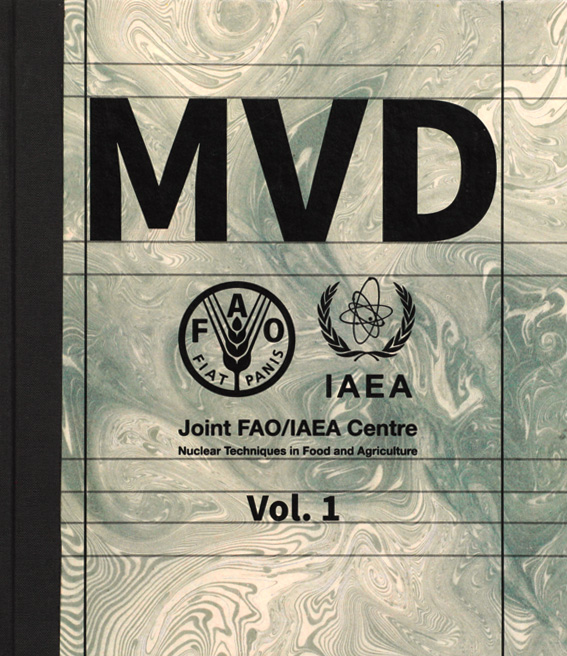
The Mutant Variety Dataset collects all plants used in agriculture that have been exposed to a variety of mutagens to improve their characteristics. MVD collects information on crop mutant varieties, mutagen used and characters improved.
This database consists of 3535 entries. Volume one has the first 1000 entries consisting of a large selection of plant varieties, mutagen types and improvements in characteristic and has entries internationally with 8 different languages and multiple scripts.
Climate Affordances
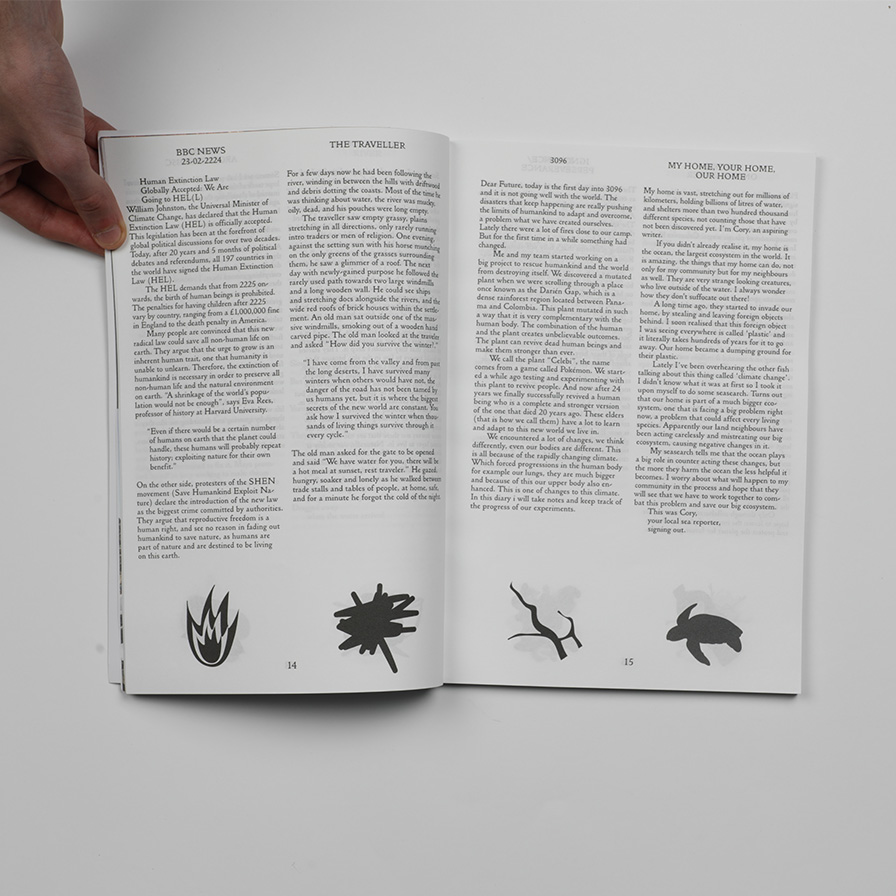
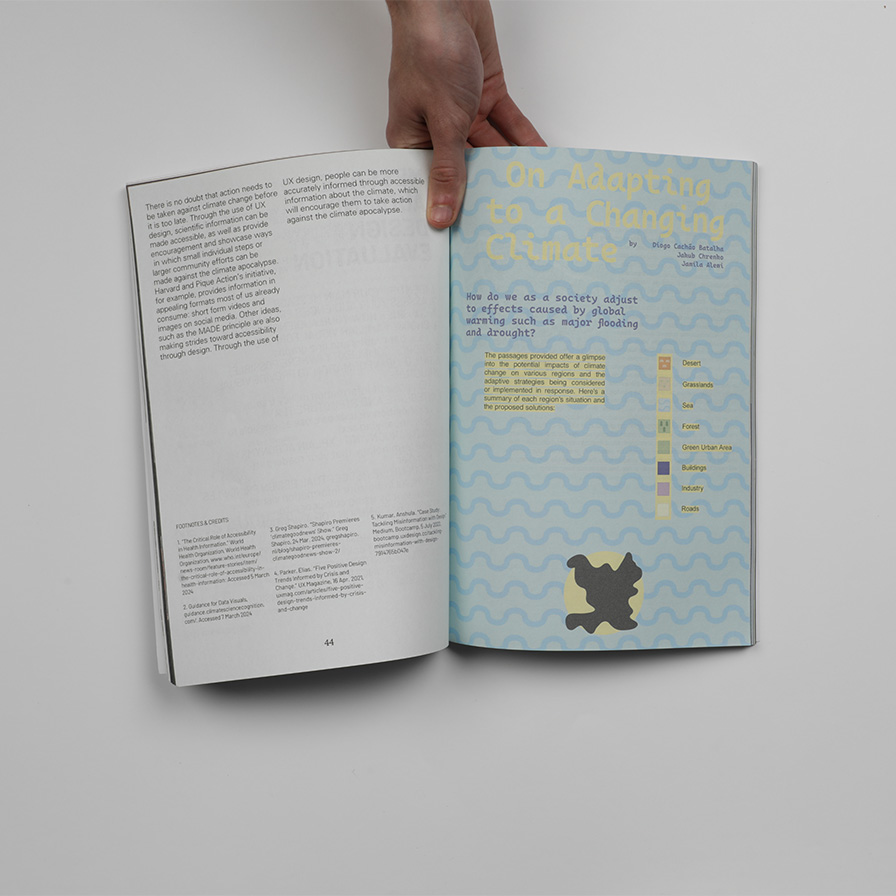
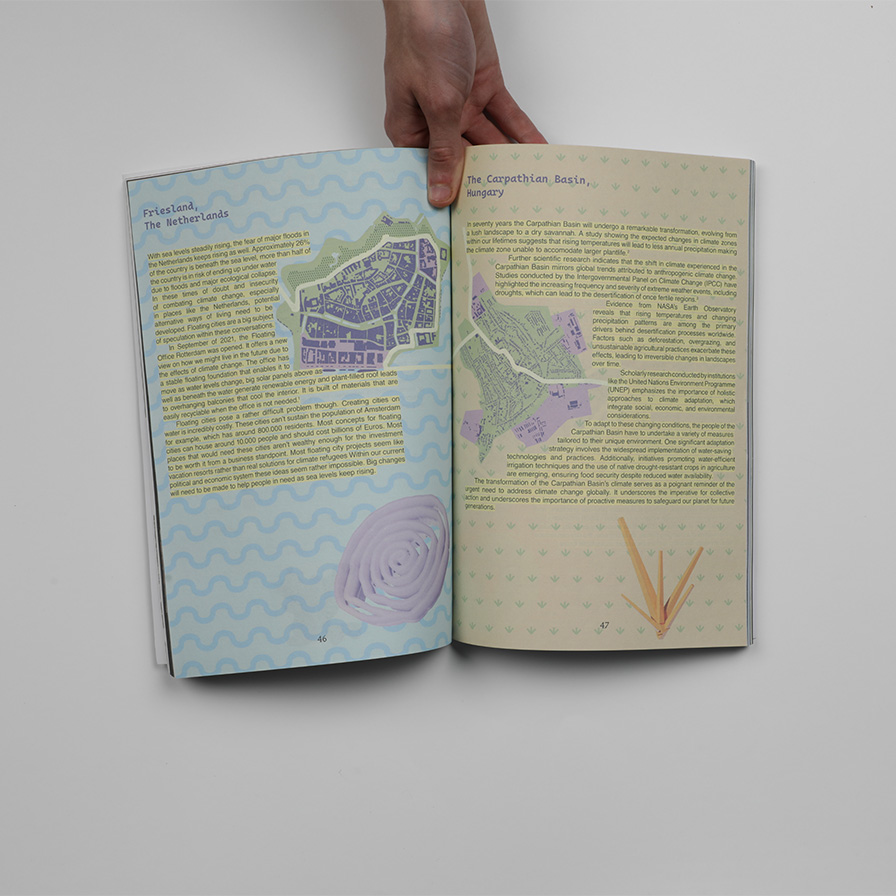
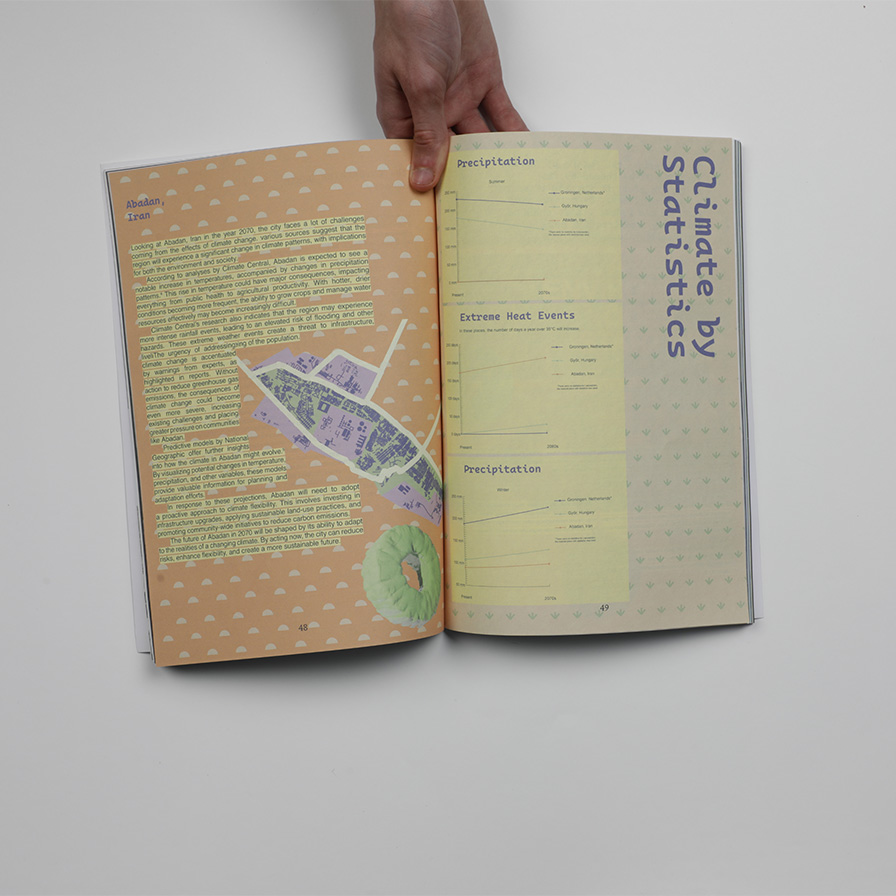
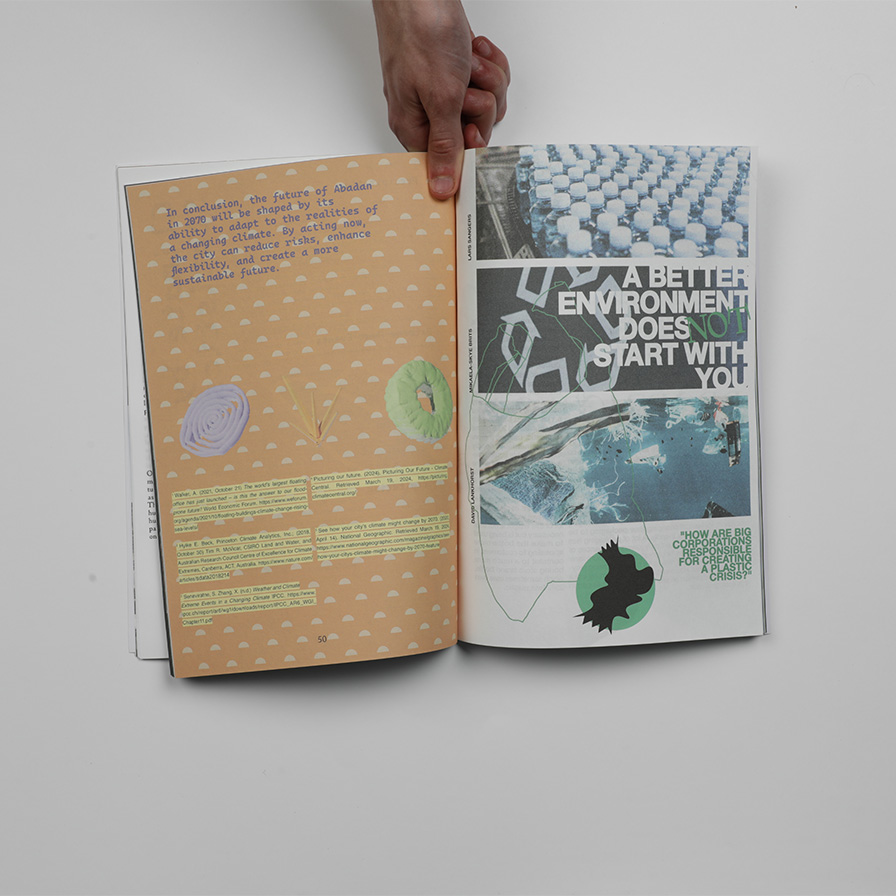
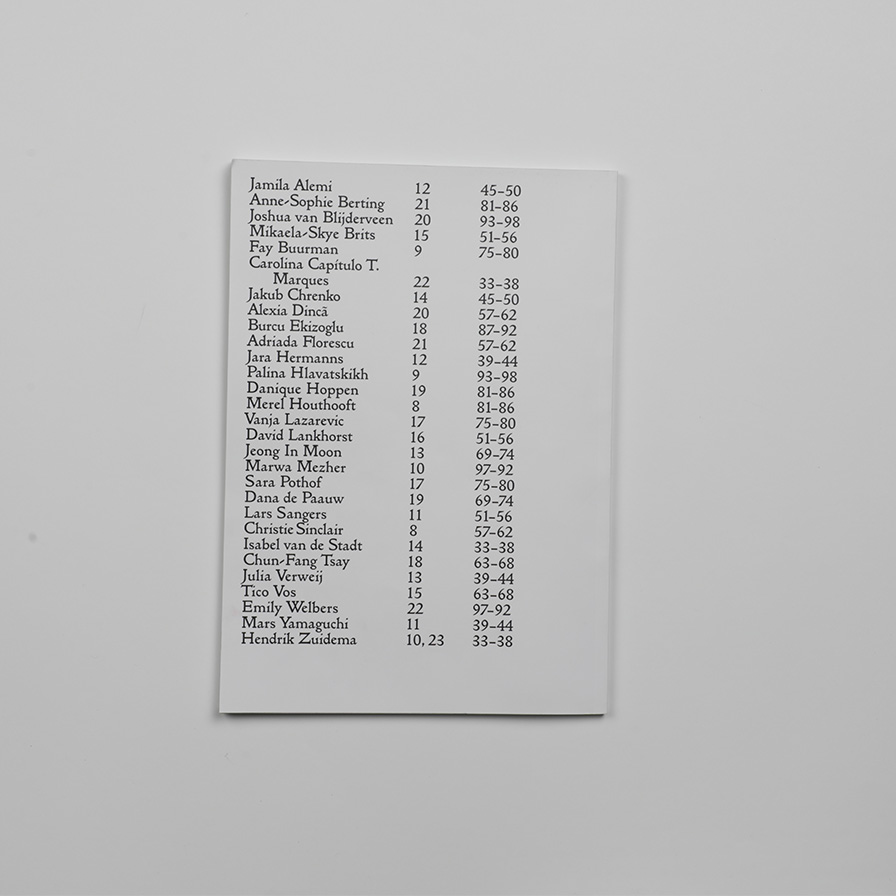
This collective publication created for a group exhibition with the same name focused on creating engaging stories of how our world is impacted by climate change. The texts focuses on changes already happening to our world and are a companion piece to the exhibition which explore similar topics and themes. My contribution is an examination of changes is weather pattern and how it will affect a chosen set of locations all around the world based on publicly sourced climate impact maps.
Microscripts
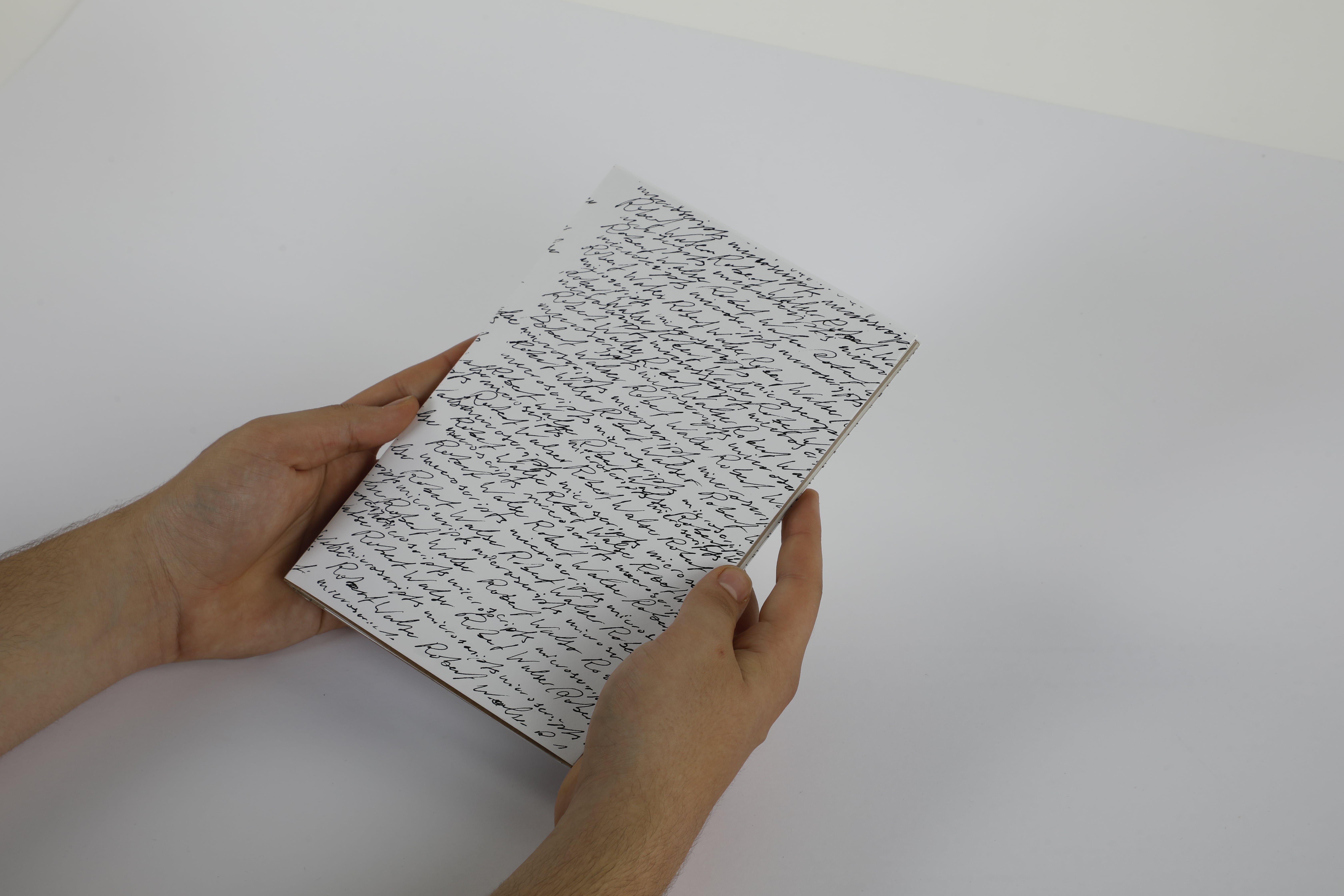
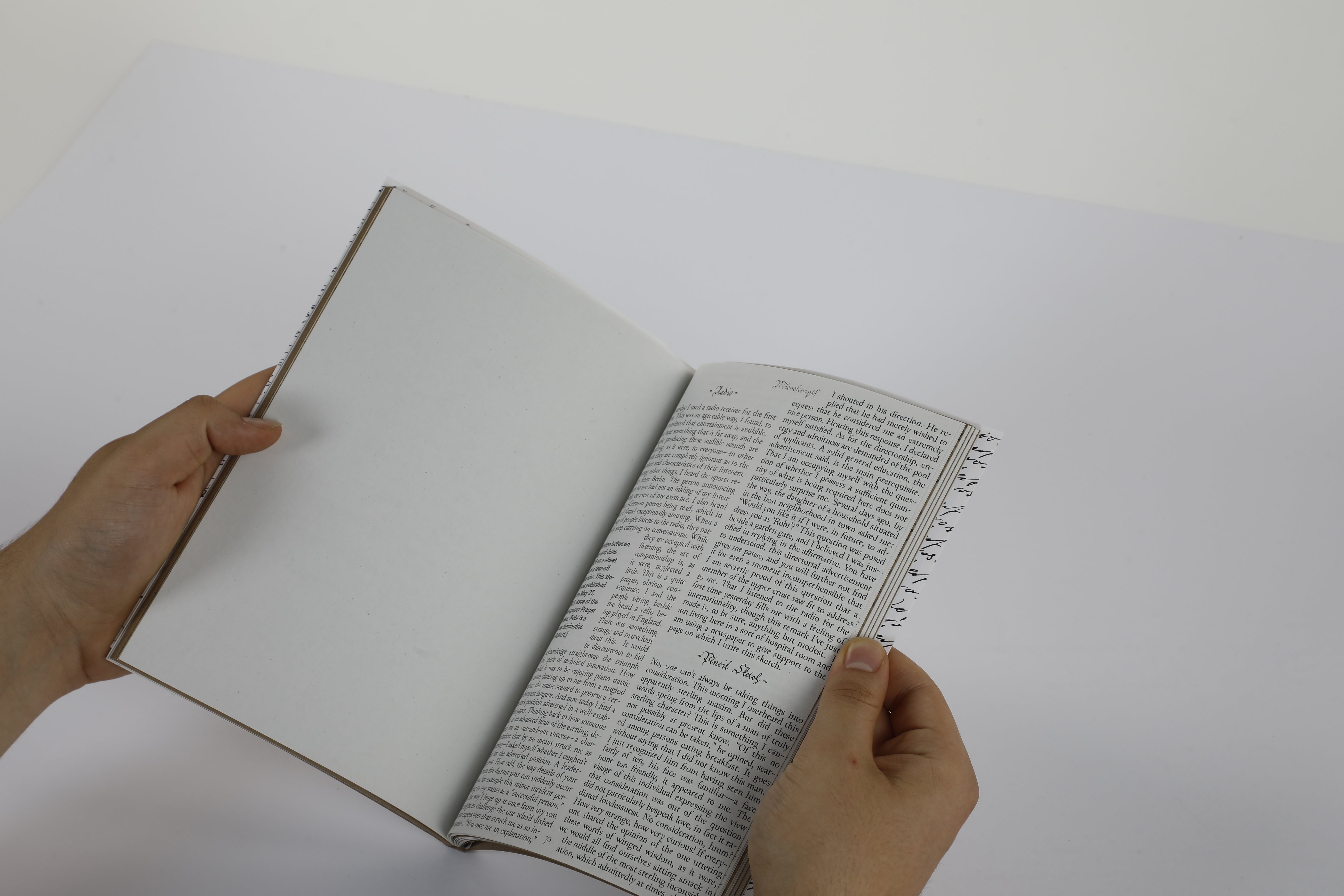
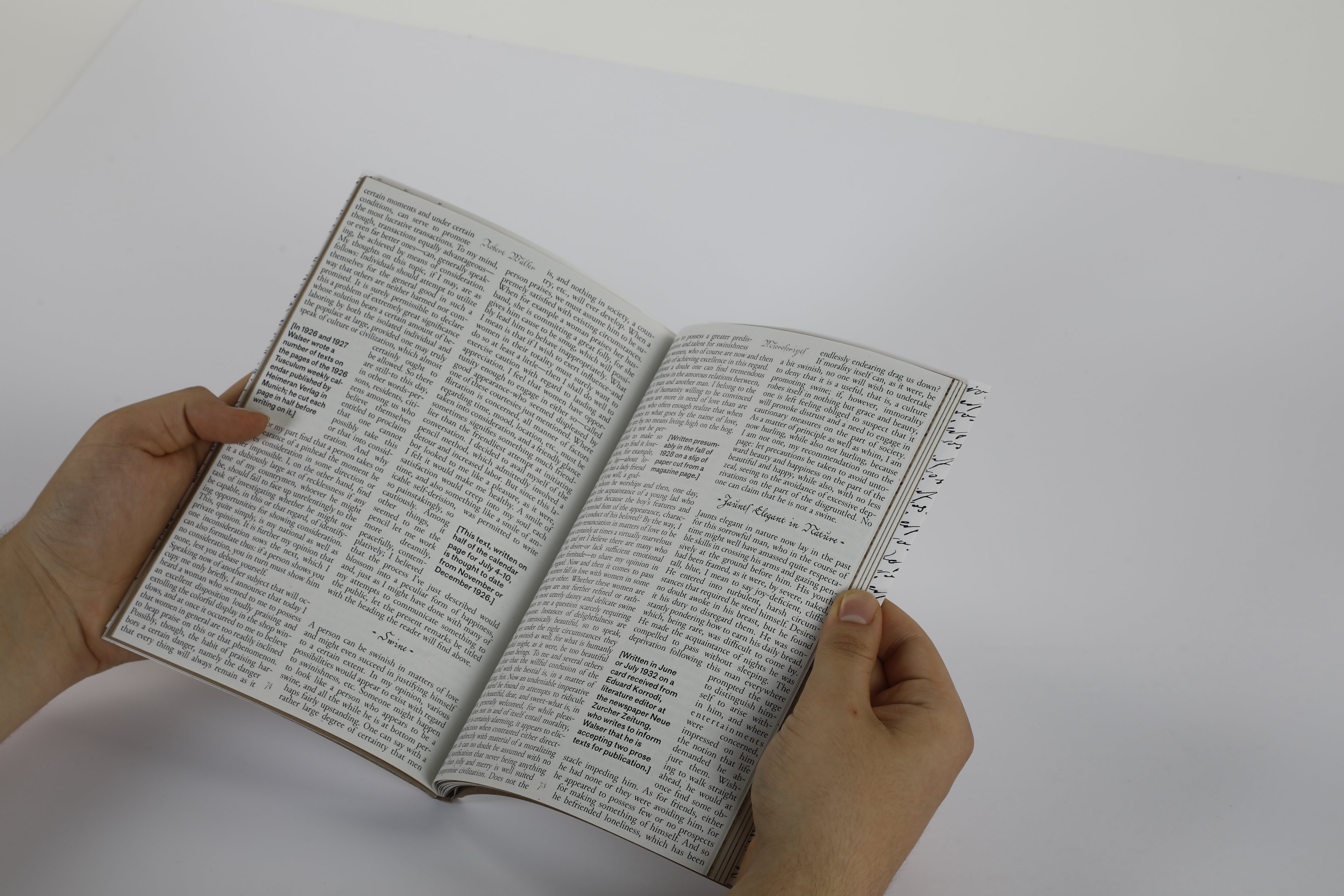
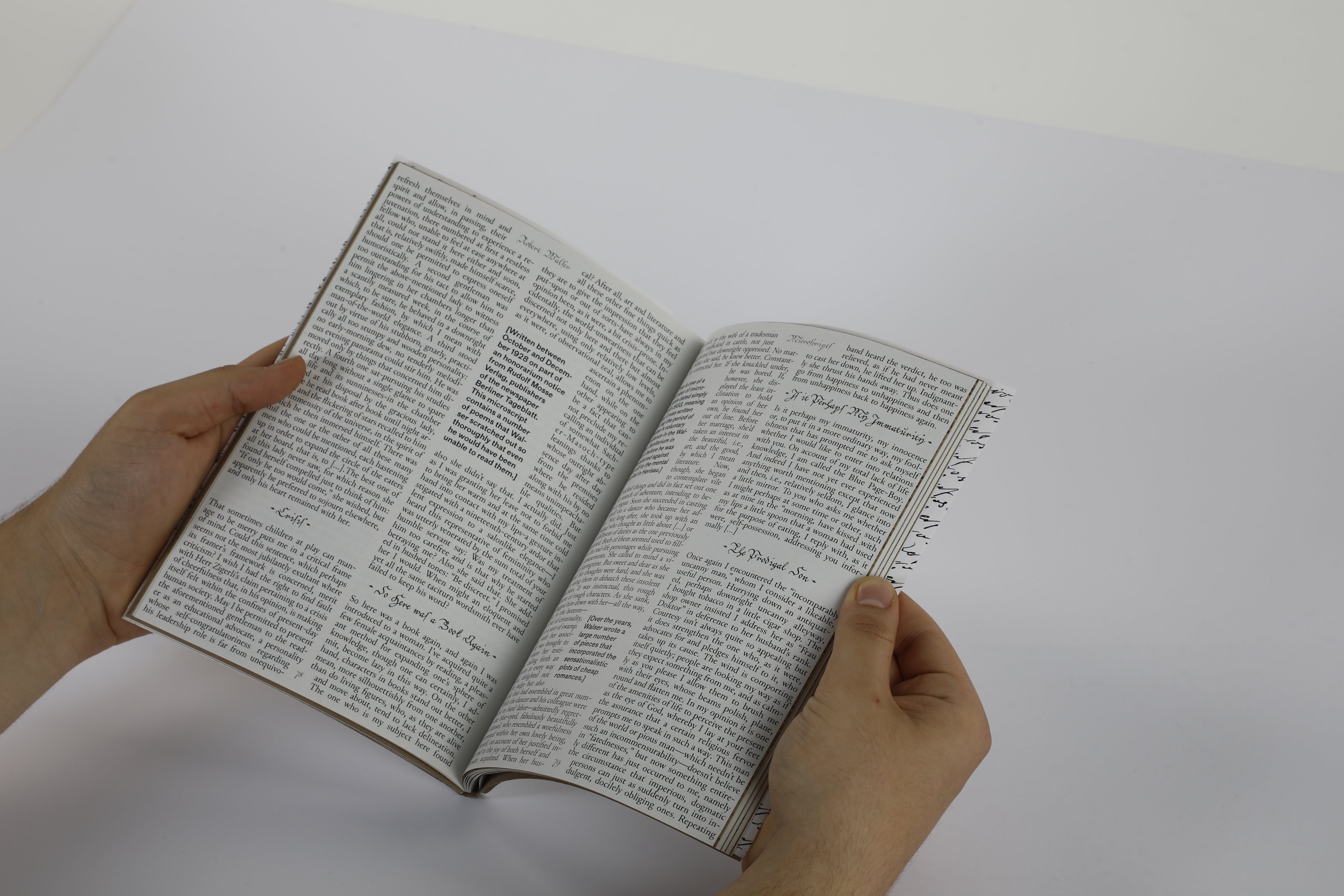
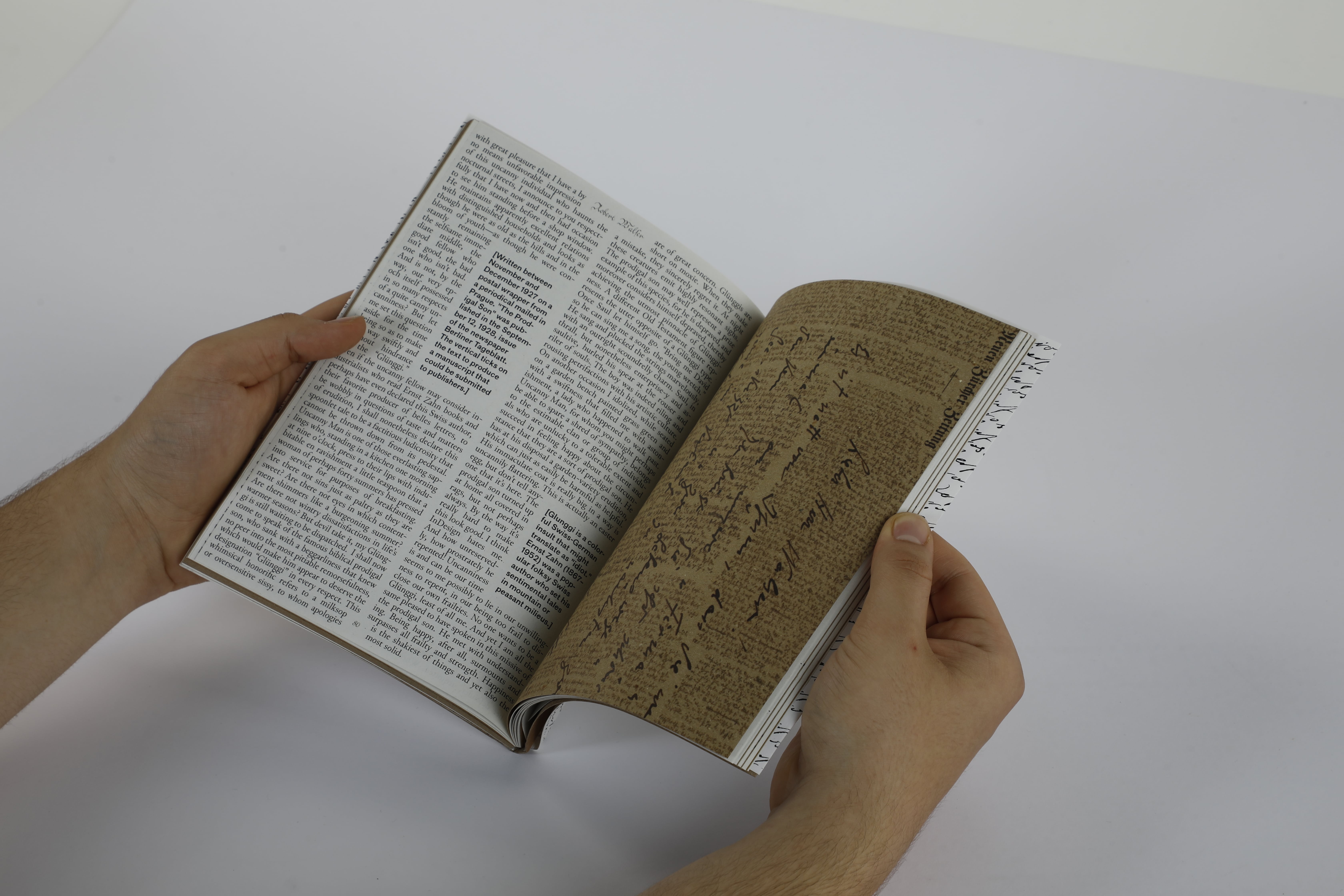
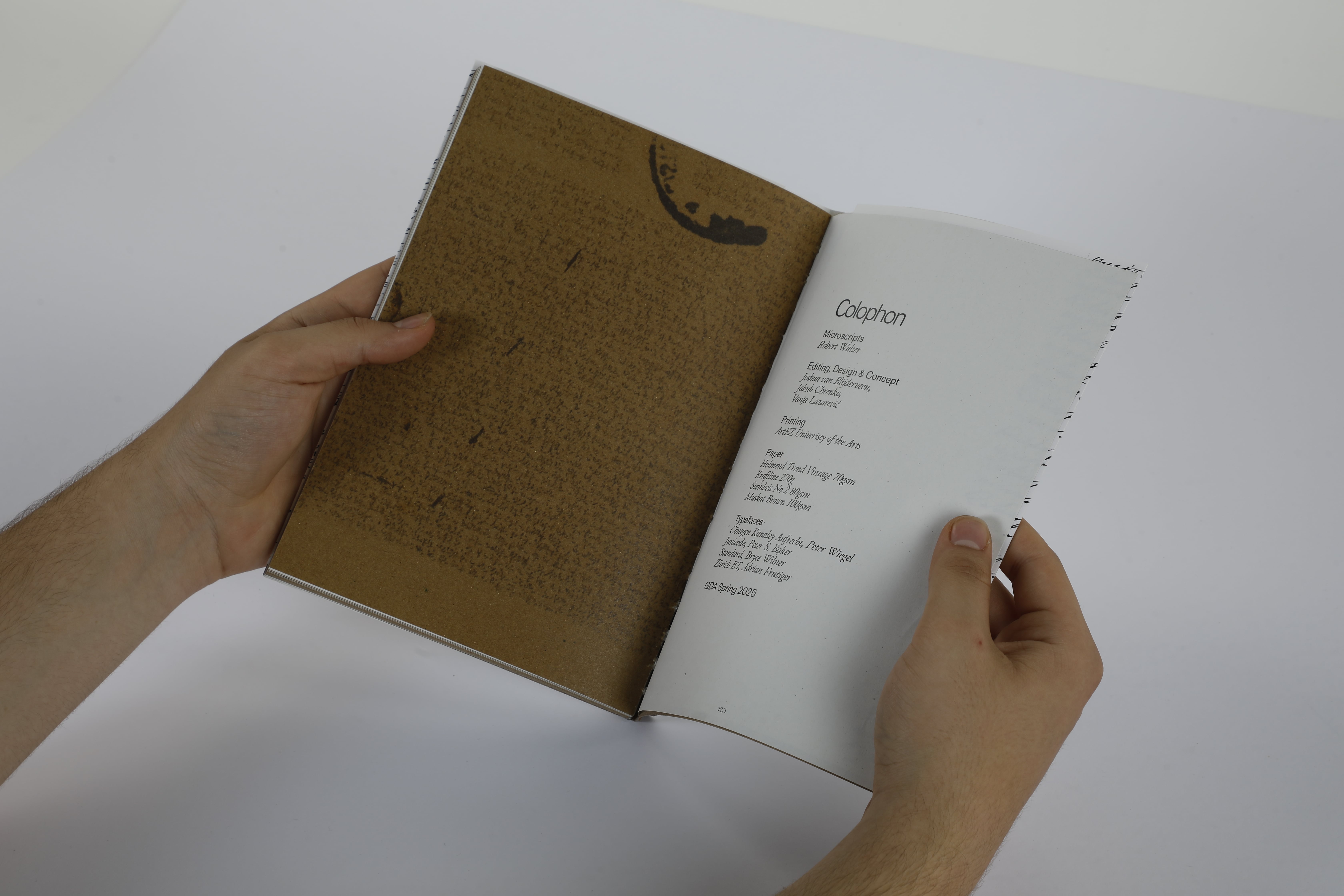
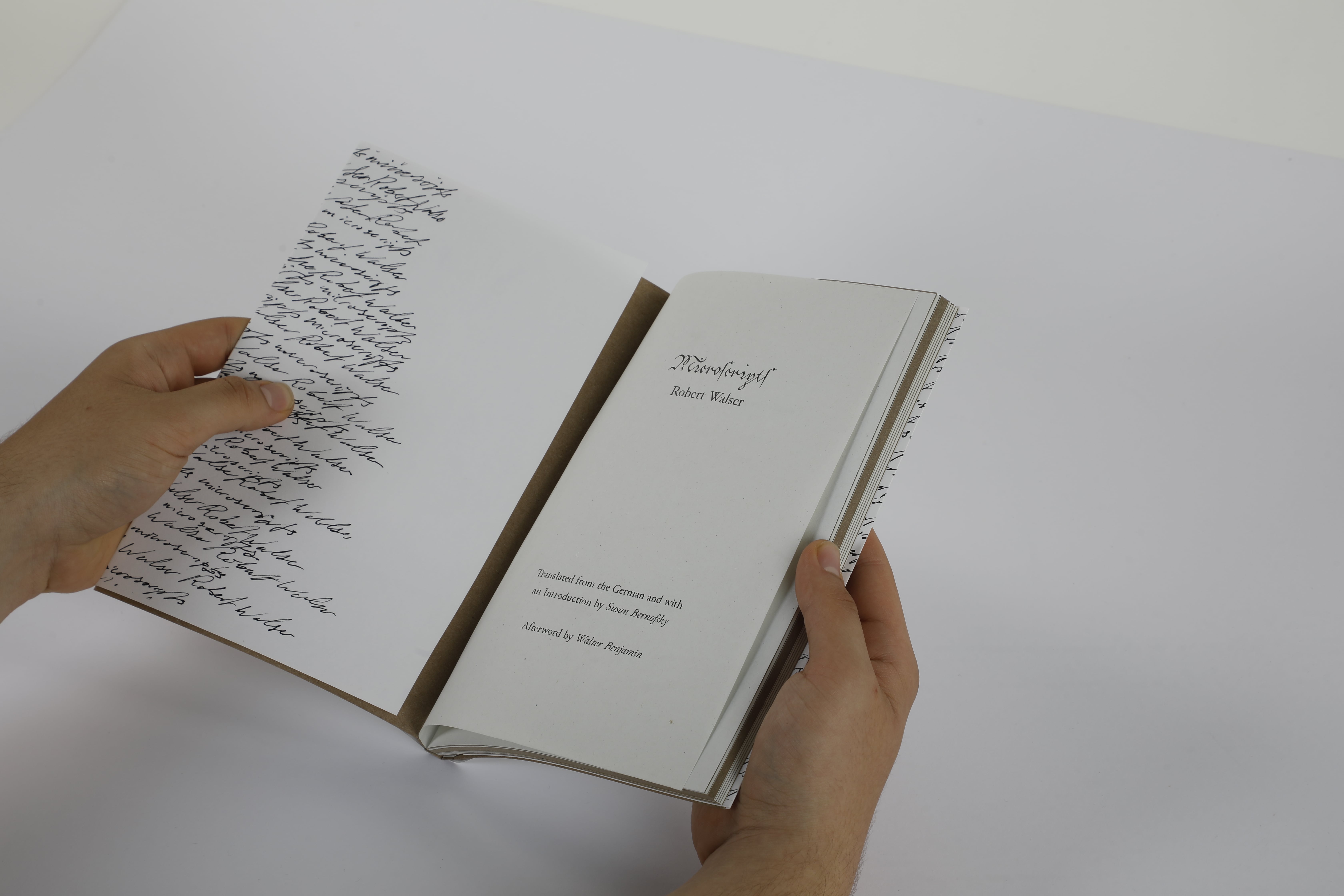
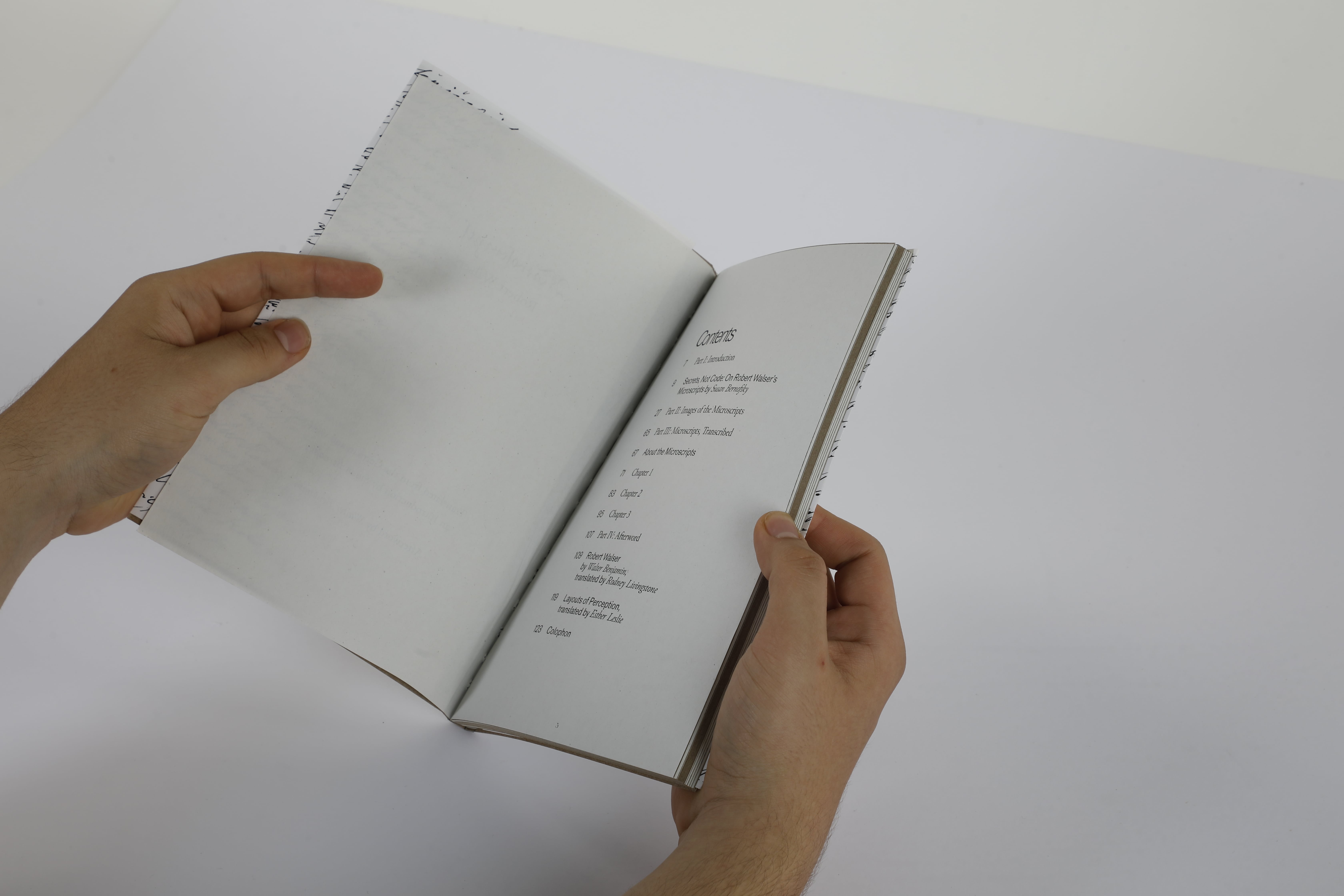
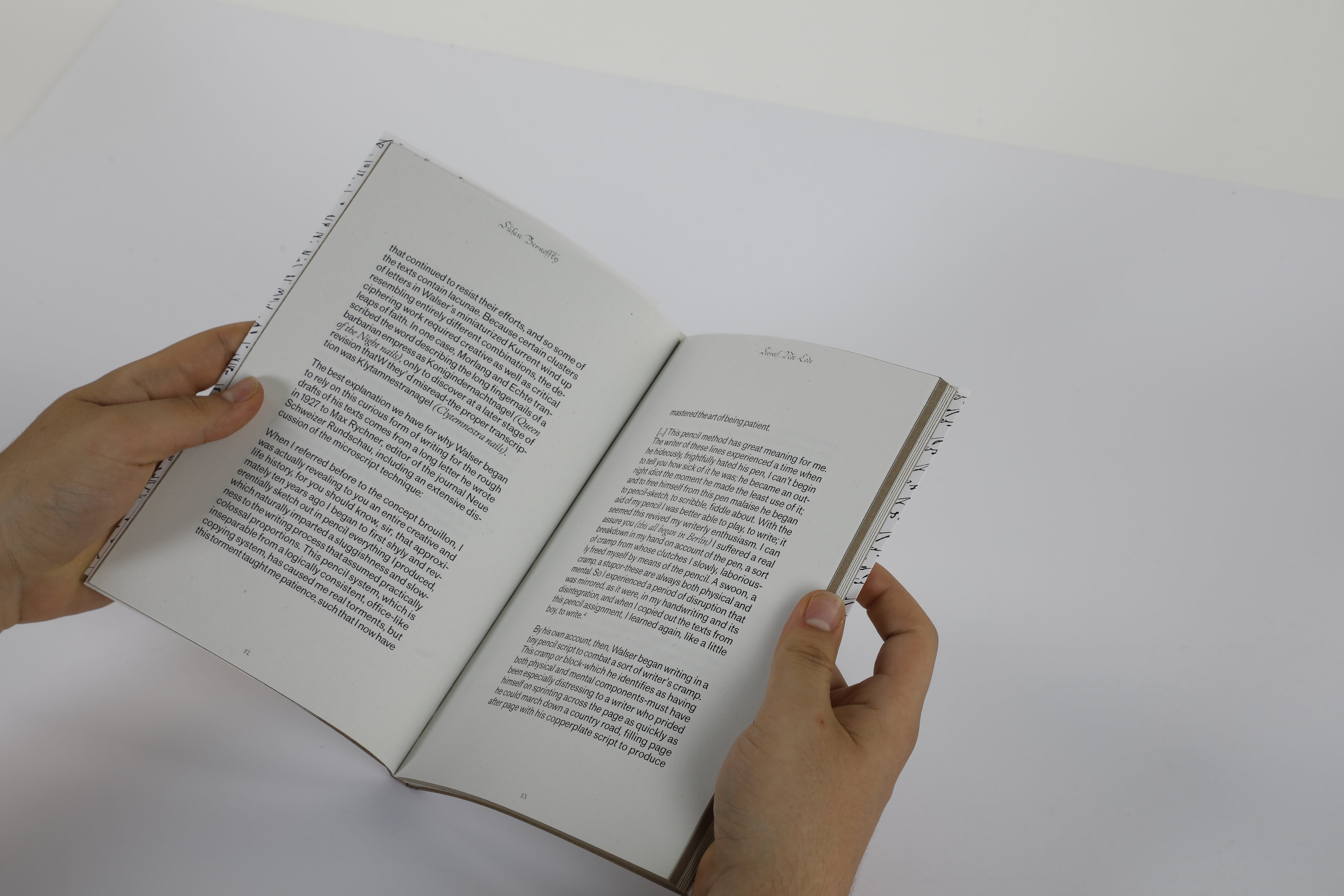
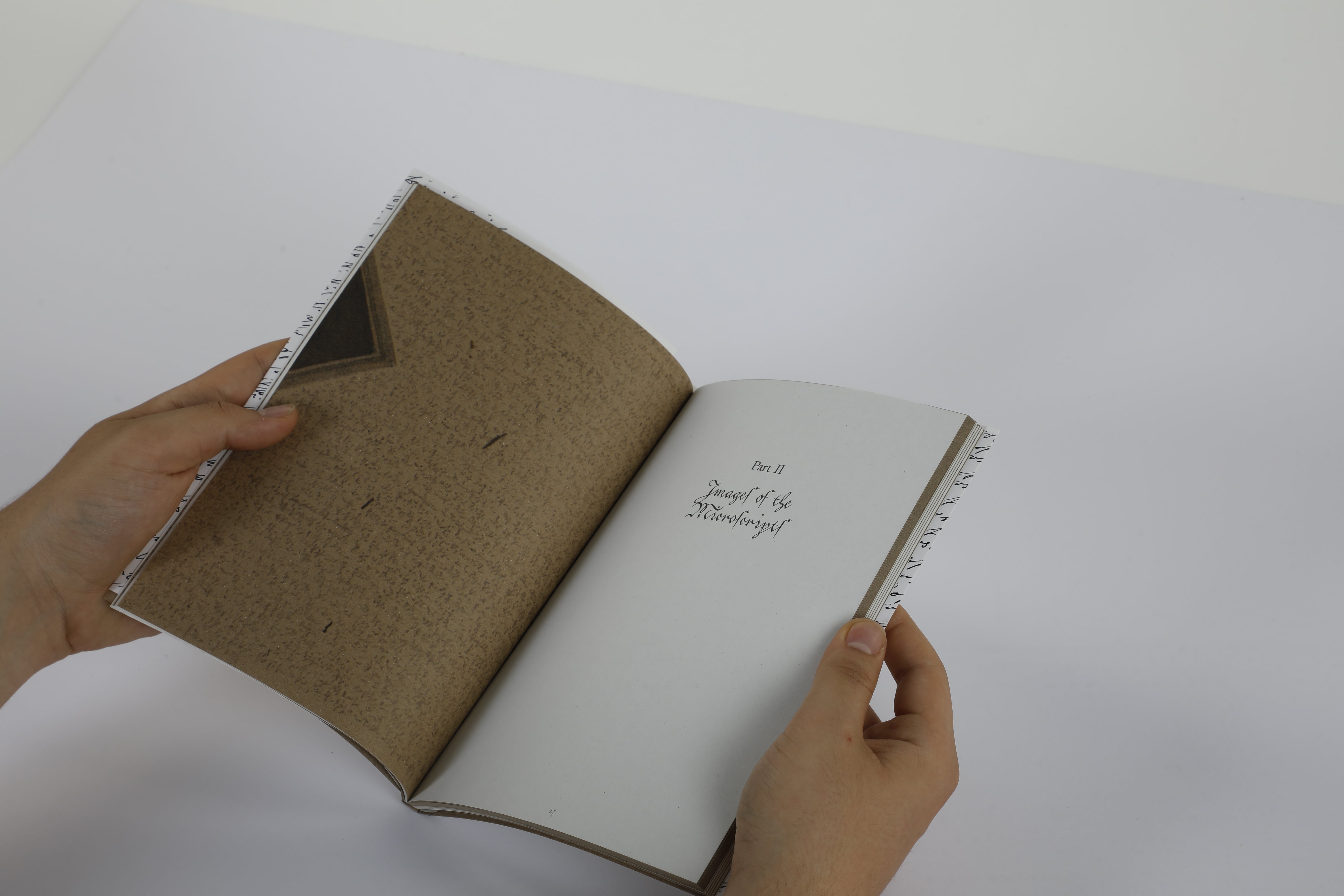
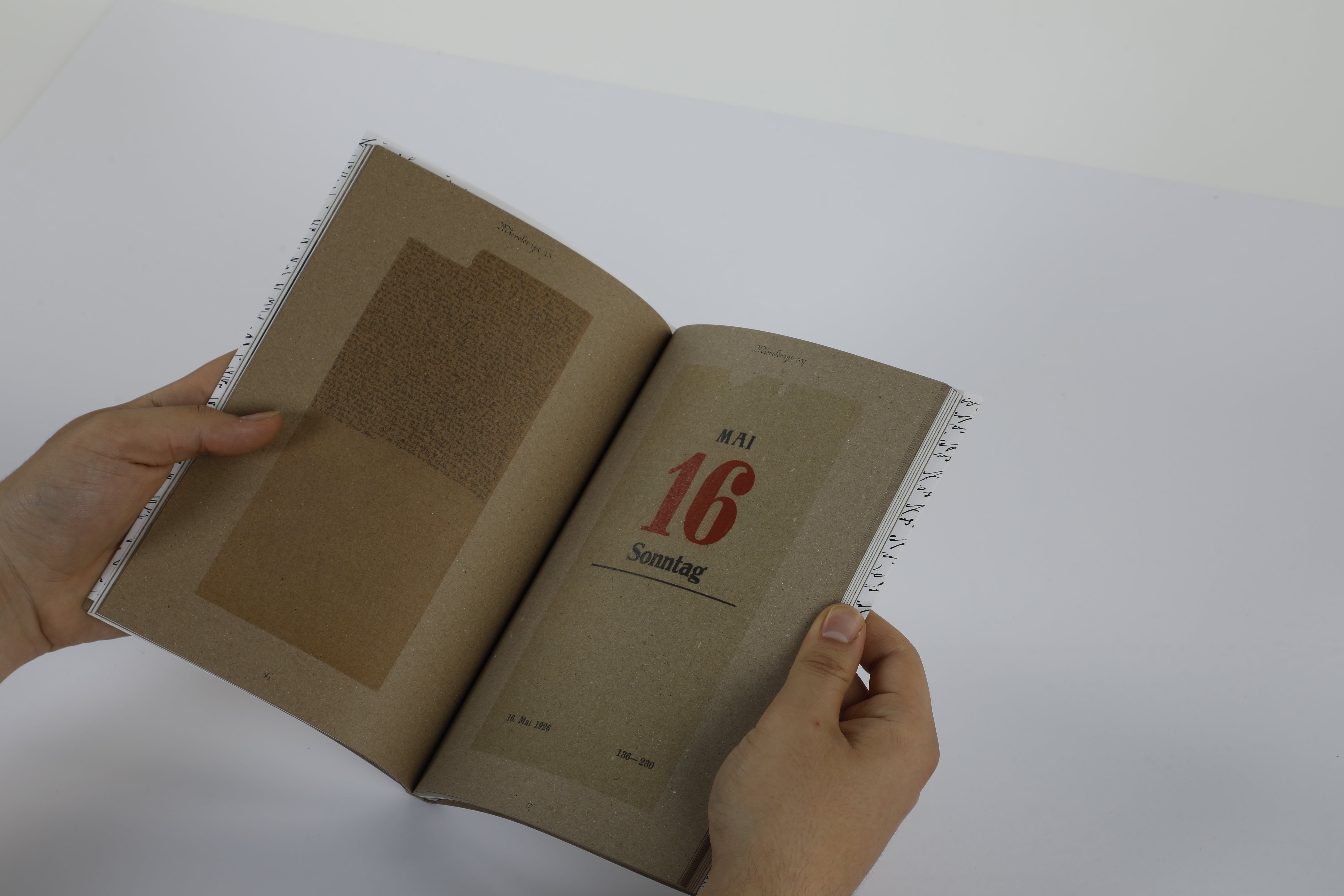
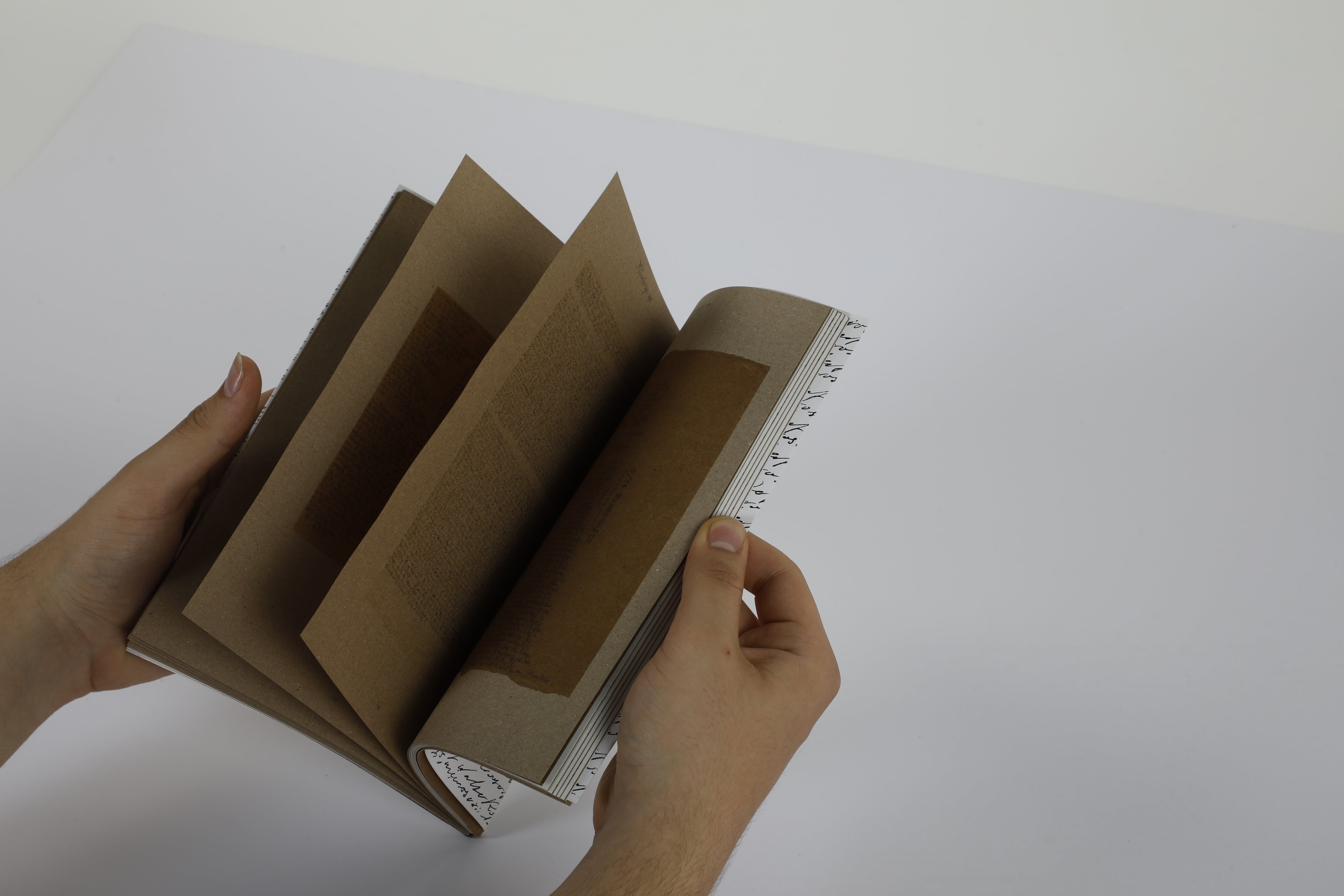
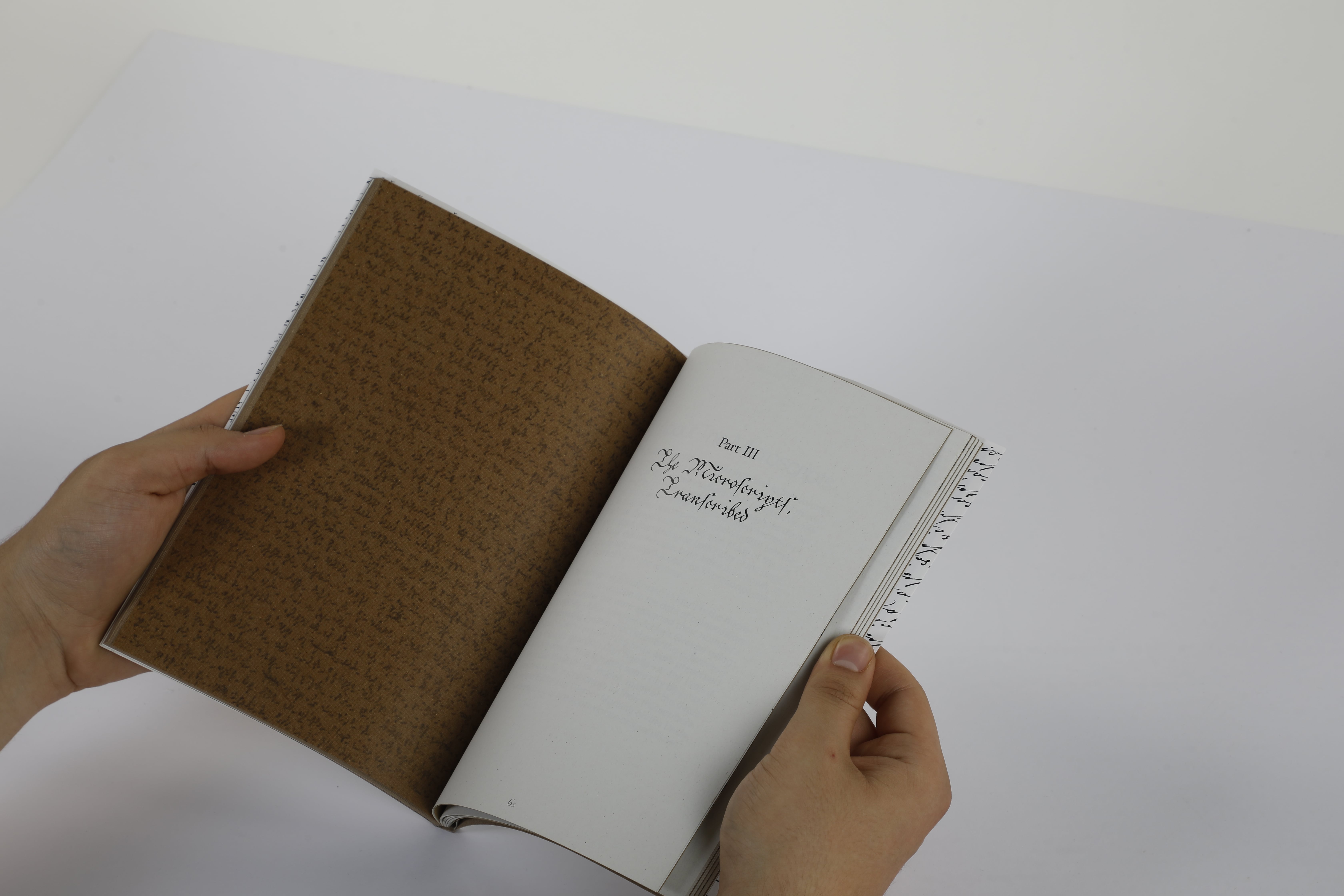
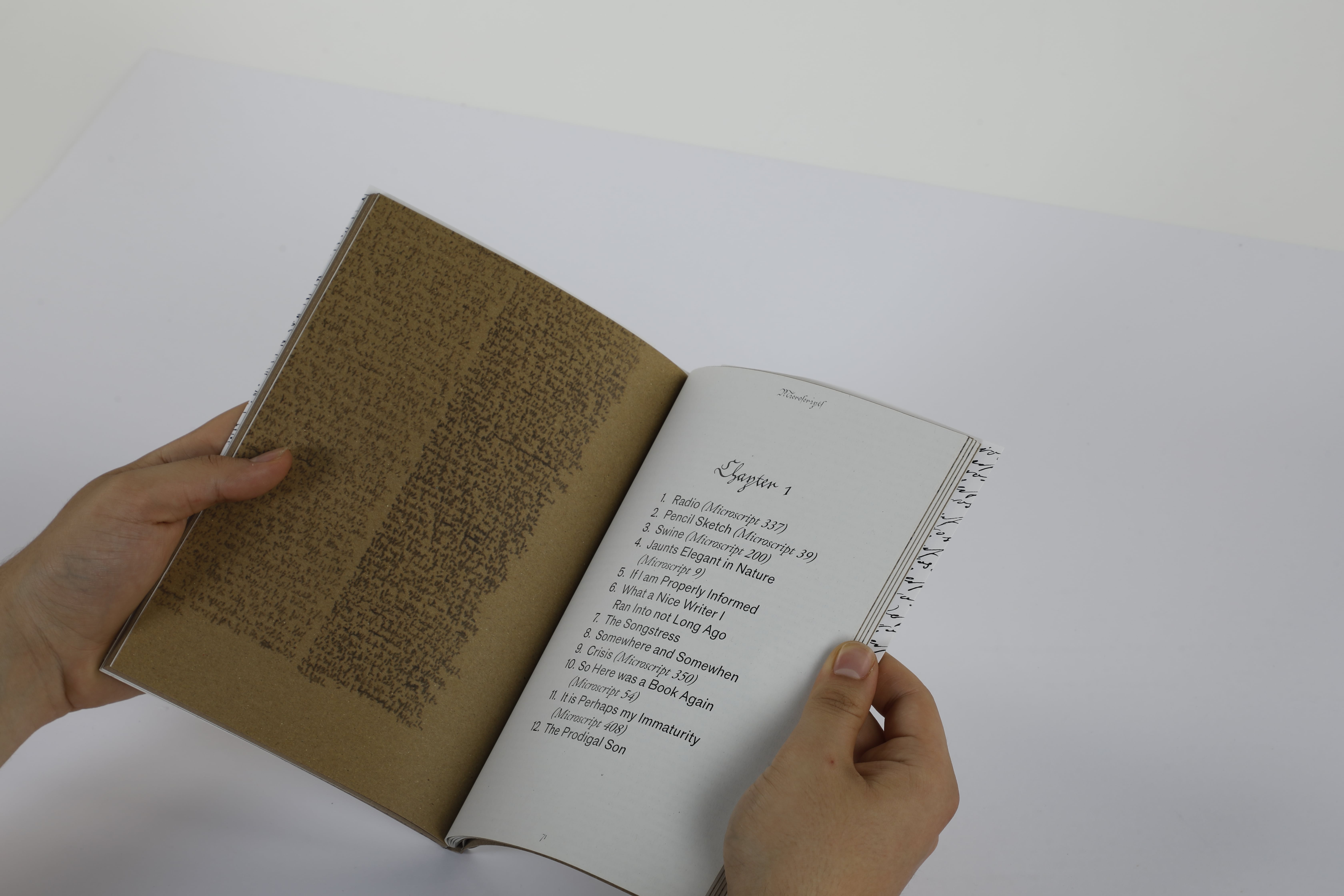
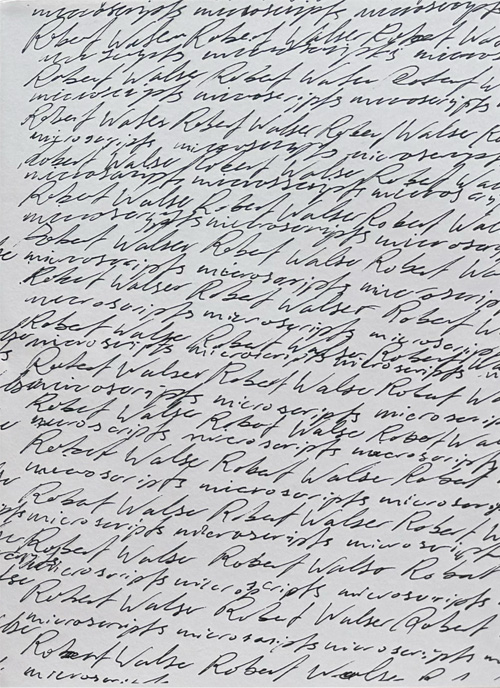
A full redesign of Robert Walser’s Microscripts translated by Susan Berfonsky with a contribution by Walter Benjamin.
All the elements from the original publication were reused and reorganised, a new system for typesetting was established as well as creating a new navigation system for the translated microscripts and their original scanned in versions.
Project: Beer
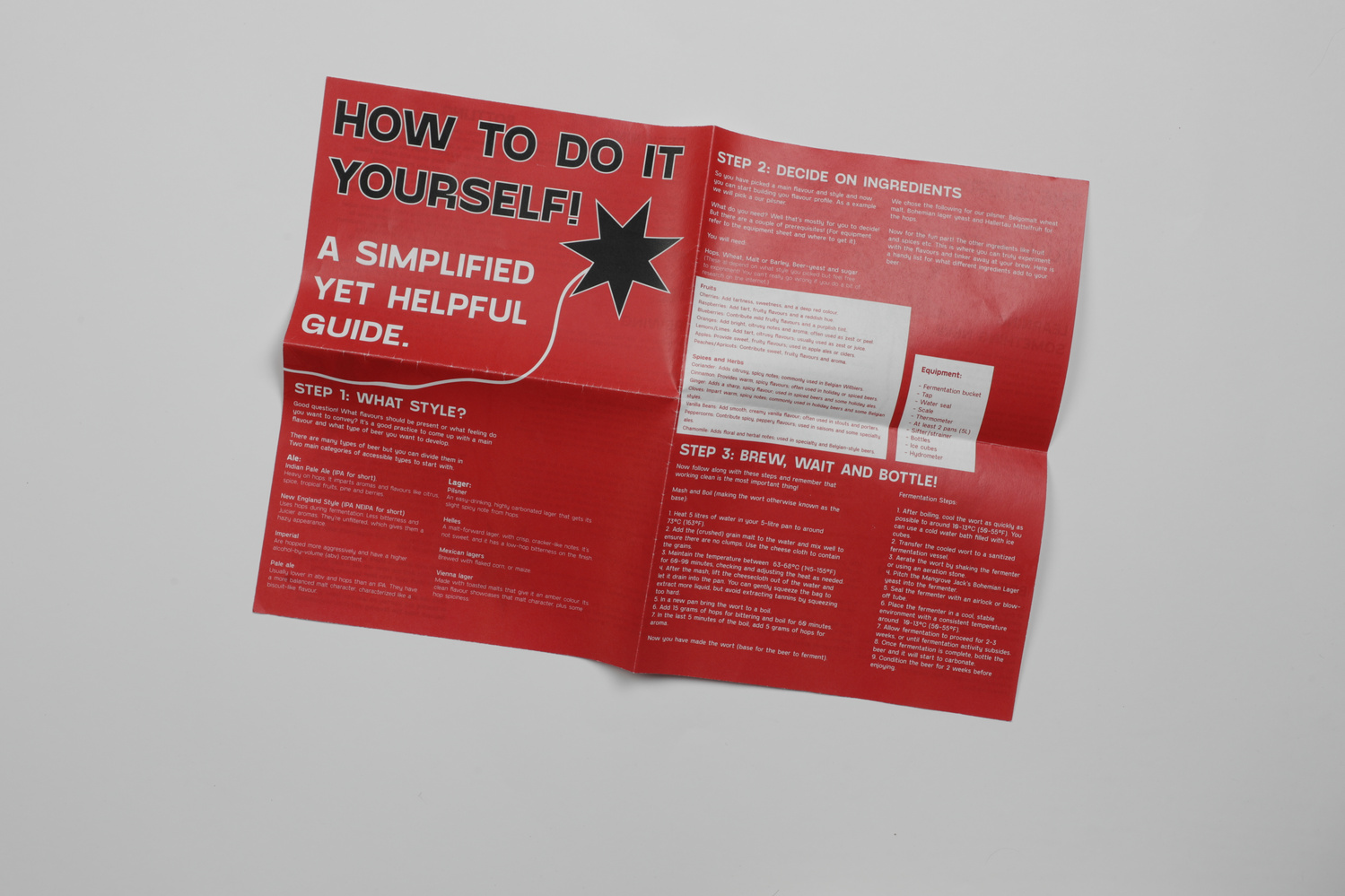
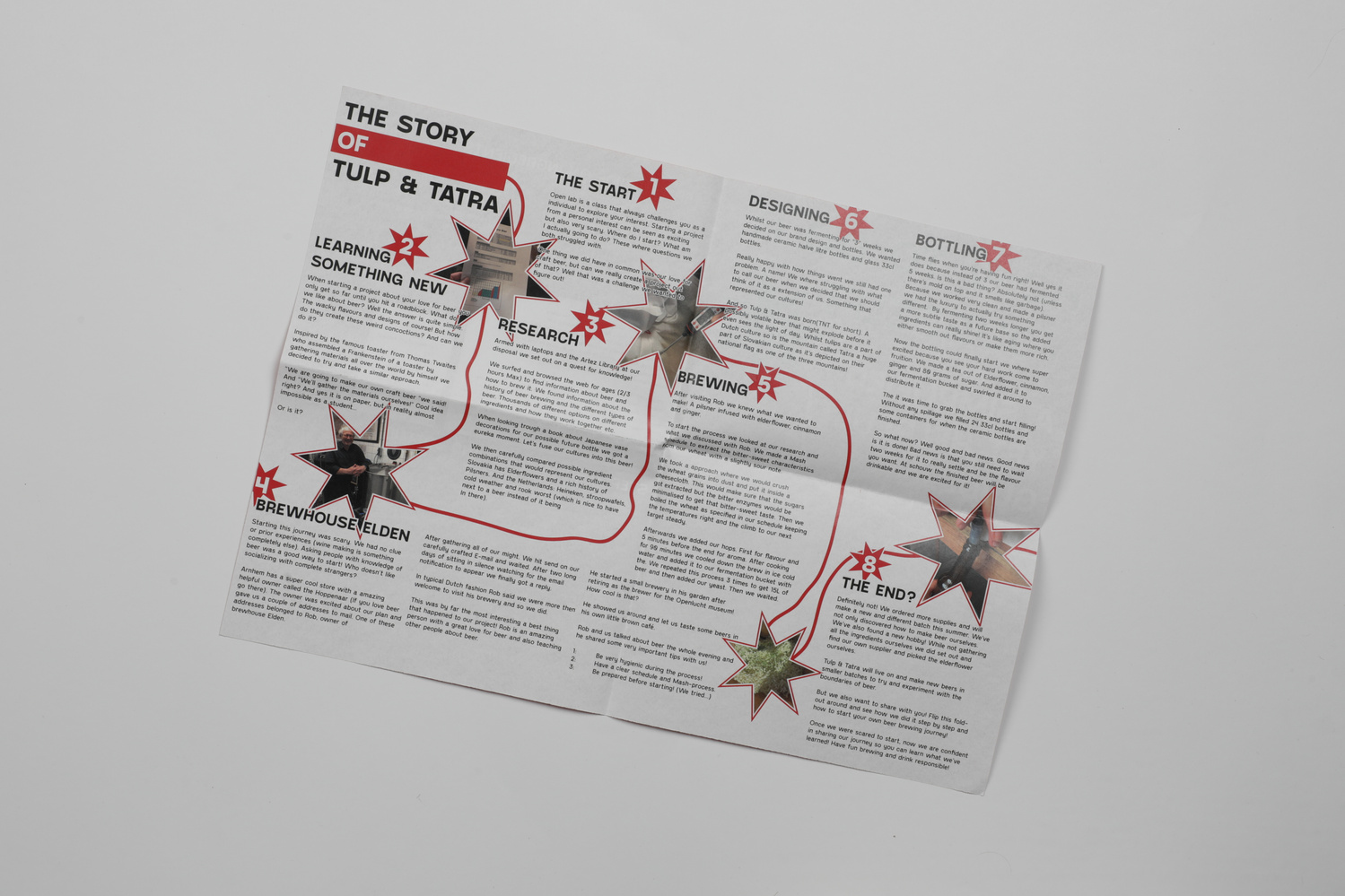
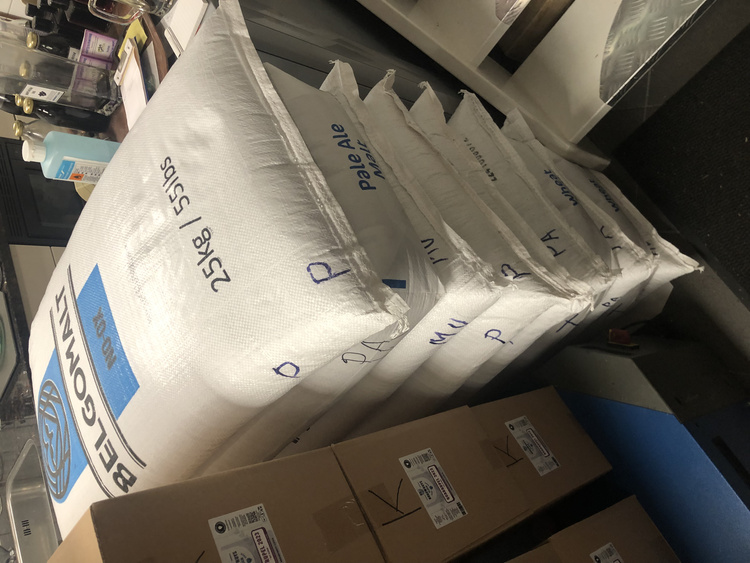
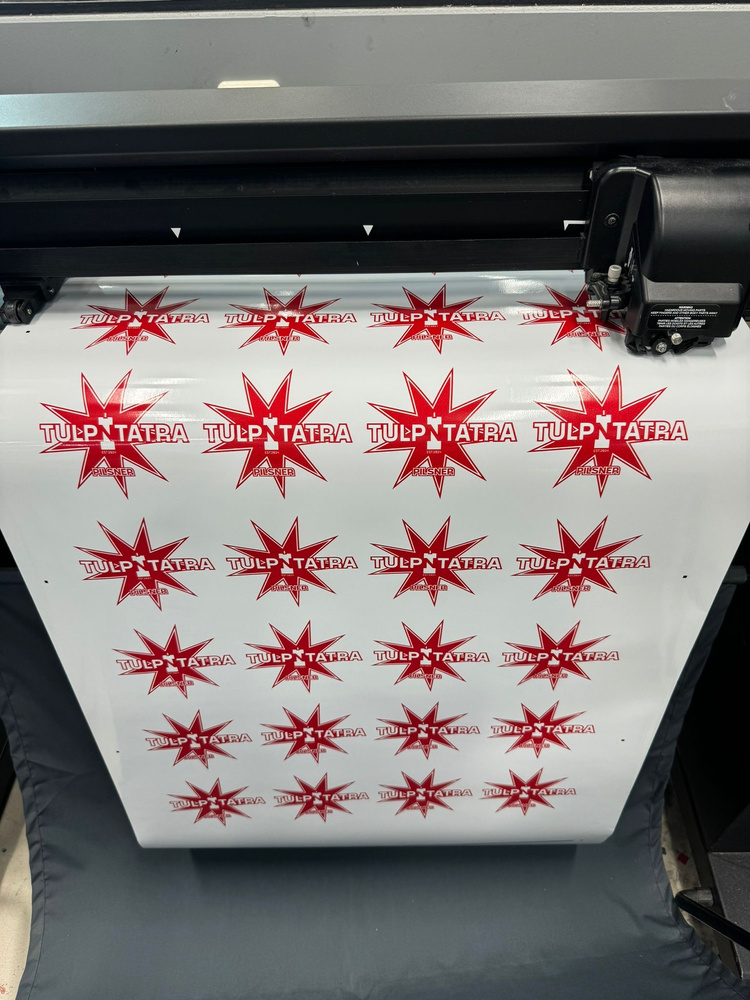
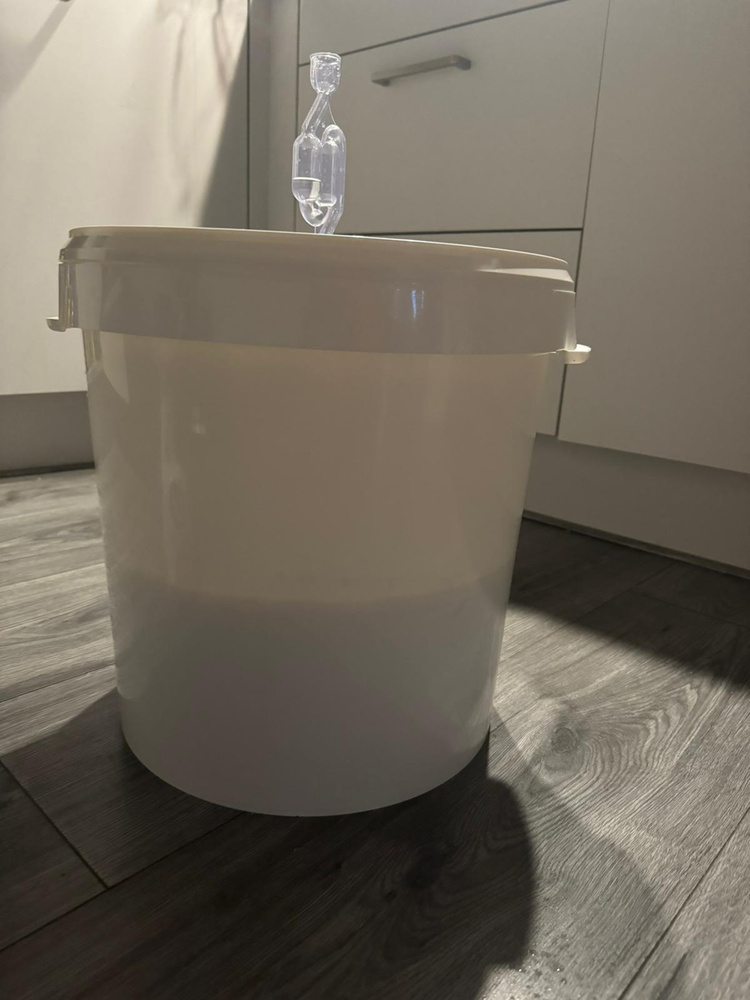
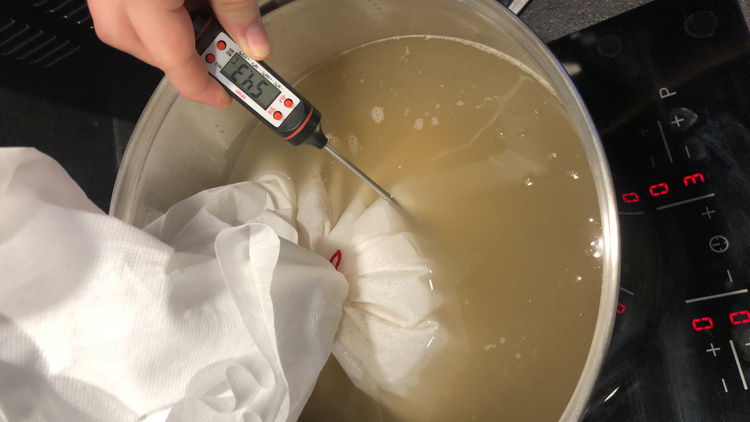
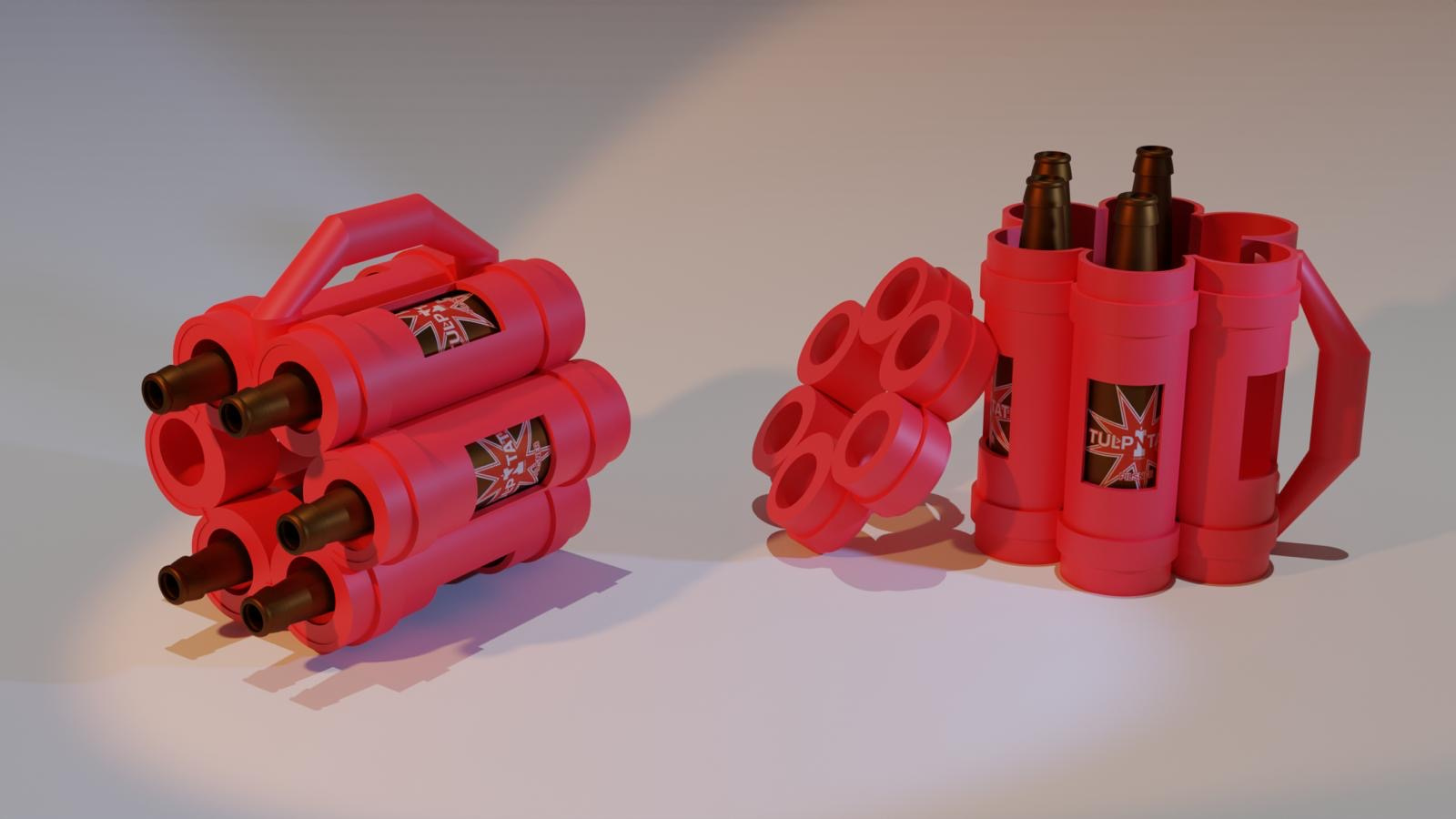
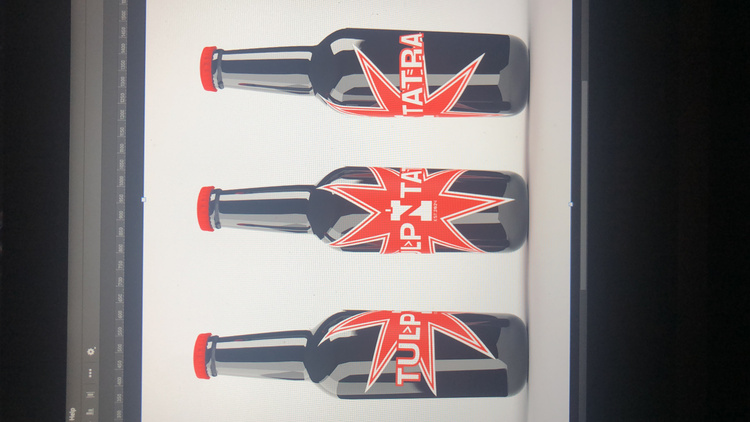
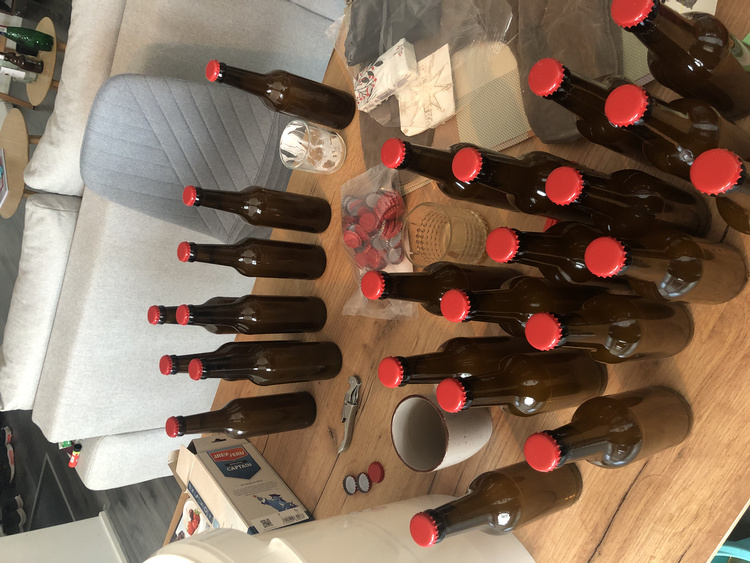
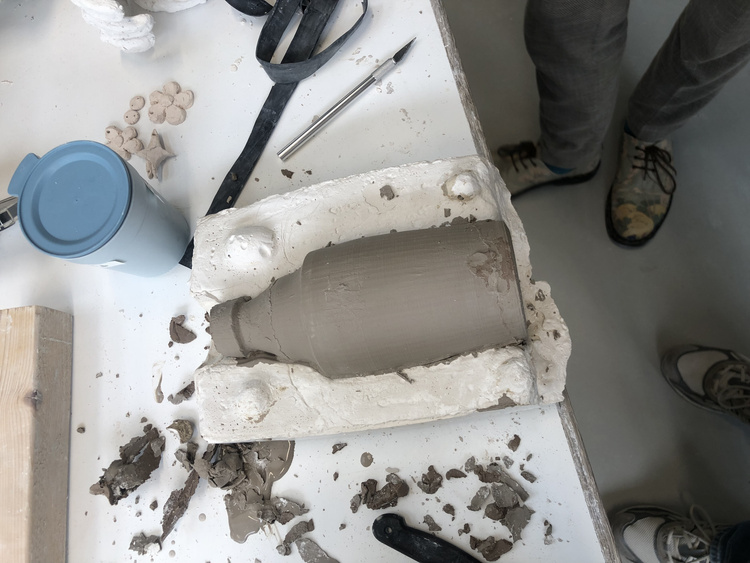
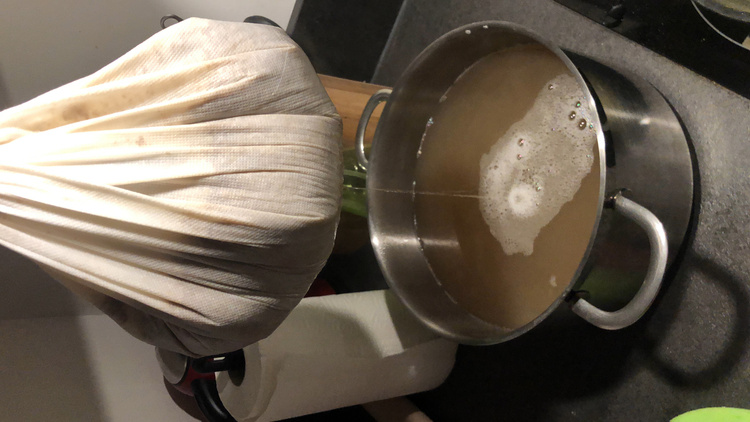
We love learning new things and we love beer, so we learned how to make it.
Project: Beer started with a question: “Can we learn ourselves a new skill we know absolutely nothing about?”
Together with David Lankhorst I set out to find if we could learn something that is wildly different from Graphic Design. We got together and discussed what would be a interesting skill to learn. We grabbed a beer out of the fridge and started discussing but the whole time the answer was sitting in our glasses.
I wonder how beer is made I expressed. We both really like it but we have no real clue how it’s made especially craft beers. We work with visuals almost everyday so let’s work with our tastebuds for a change!
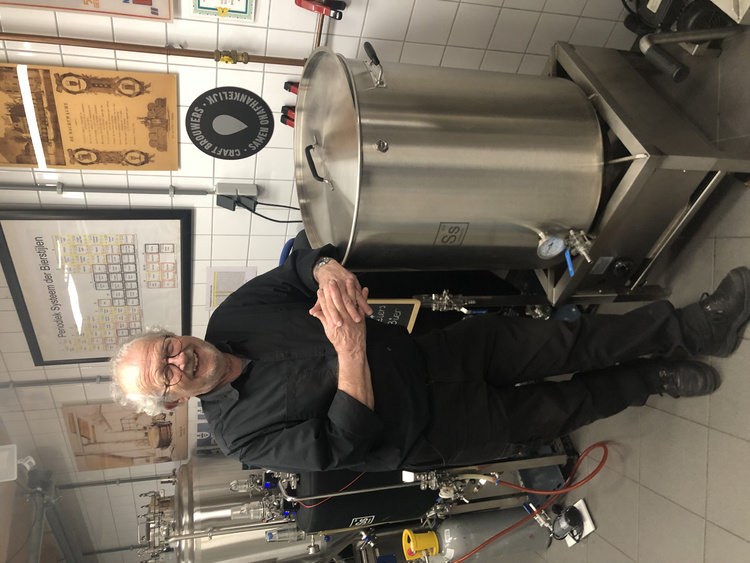
We set out to discover the world of beer brewing and found ourselves soon in a whole new obsession. The almost infinite possibilities made it daunting at first, but we decided that if we really wanted to learn it then we should seek a professional. Through the Hoppenaar (craft beer store in Arnhem) we got in contact with a handful of microbreweries. One caught our eye particularly, Rob from Brouwhuys Elden.
Rob used to be the brewer for the Openlucht Museum and he invited us to come and see his small brewery. We got a tour and explanation of the whole process and even got to try some of his beers (they are amazing)!
In the end Rob gave us a sheet with the basic instructions and cooking guide on how to extract the right flavors from hops. The very next day Jakub and I ordered the necessities and started gathering ingredients. We wanted the beer to be a combination of our cultures, Dutch and Slovak. David gathered spices commonly found in stroopwafel batter and I collected Elderflowers from Slovakia on his trip back home. Together with the brewing schedule we crafted TnT beer. (Tulp and Tatra) a reference to the Netherlands and the Slovak mountain the Tatras.
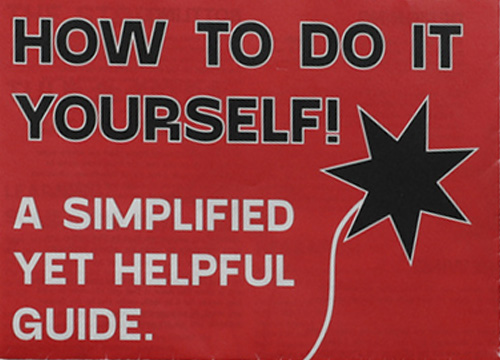
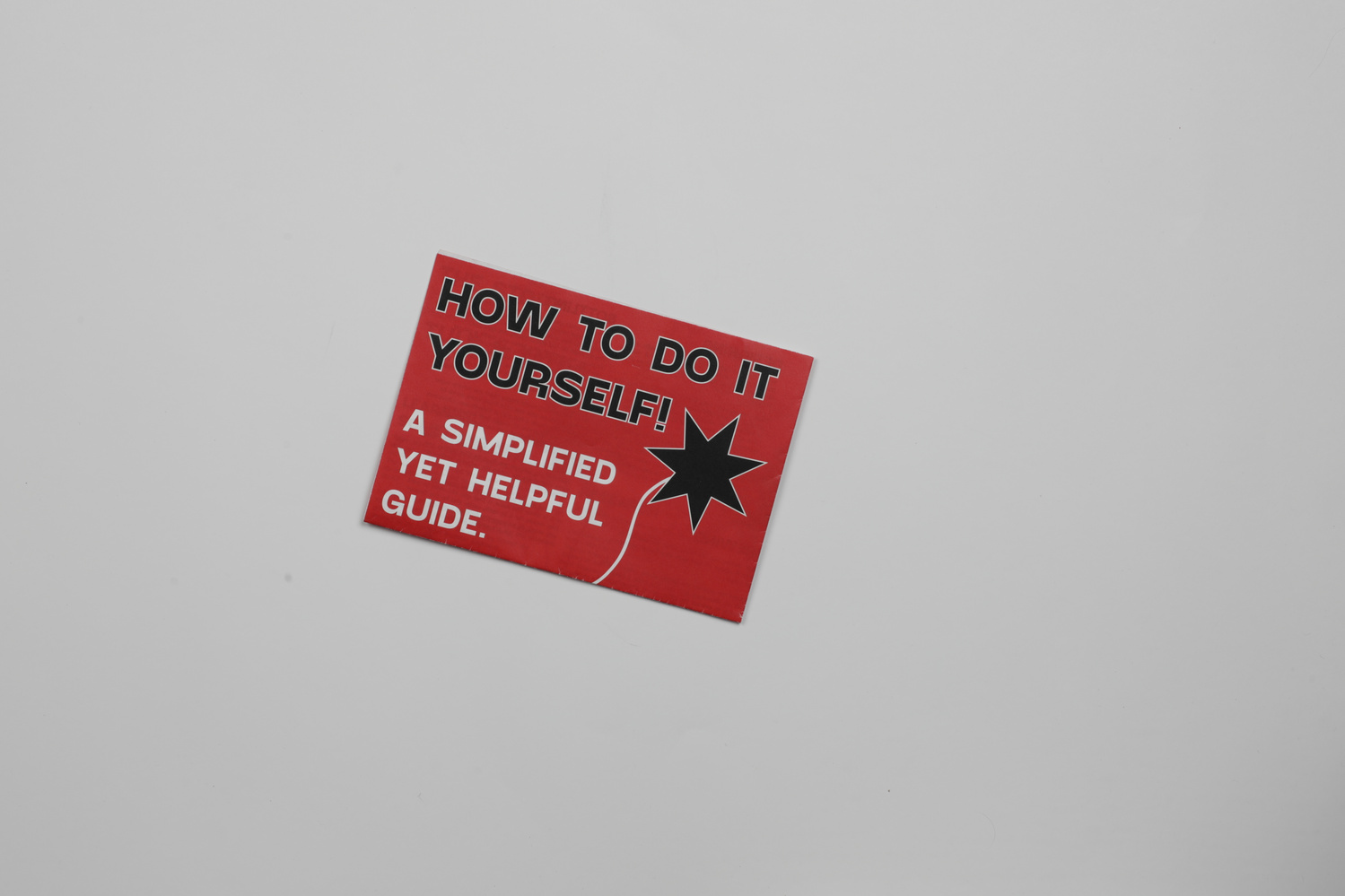
The beer ended up being a pilsner with a percentage of 4,2%. It was fresh and spicy with a good elderflower flavor to it. A job well done! Afterwards we made labels and a simple to follow guide for everyone who also want to learn the wonderful process of brewing your own beer.
Ingredients: Belgomalt wheat malt 4,5/5,5 Hallertau Mittelfüh hop pellets Bohemian Lager Yeast M84 (Mangrove Jack craft series) Elderflower, Ginger, Cinnamon, Sugar, Water Alchohol percentage: 4,2%
Specifications: Labels: Sticker-paper glossy Bottles: Longneck brown glass 0,33cl paper: Biotop 80g
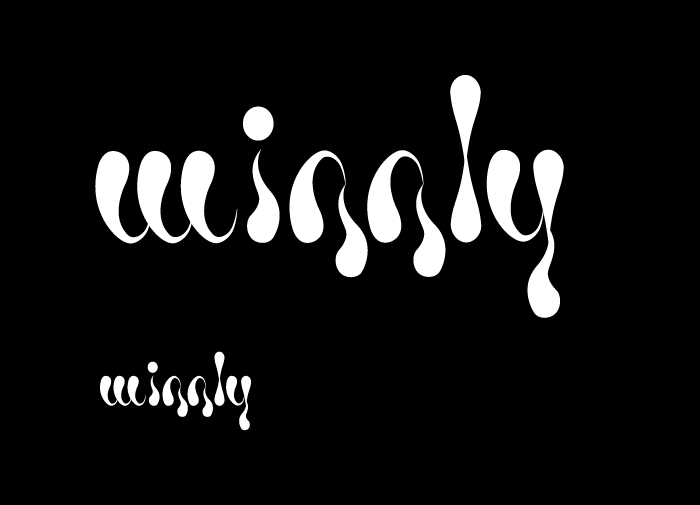
Wiggly
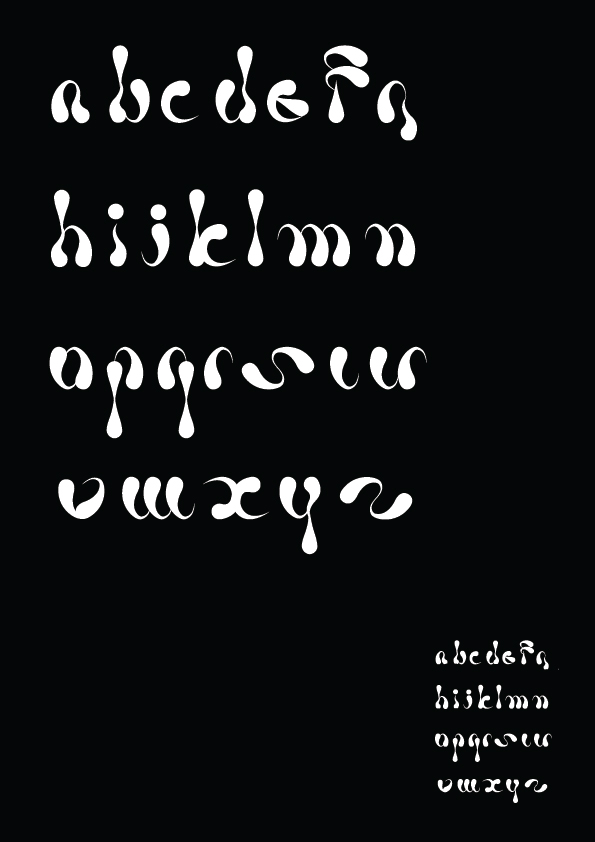
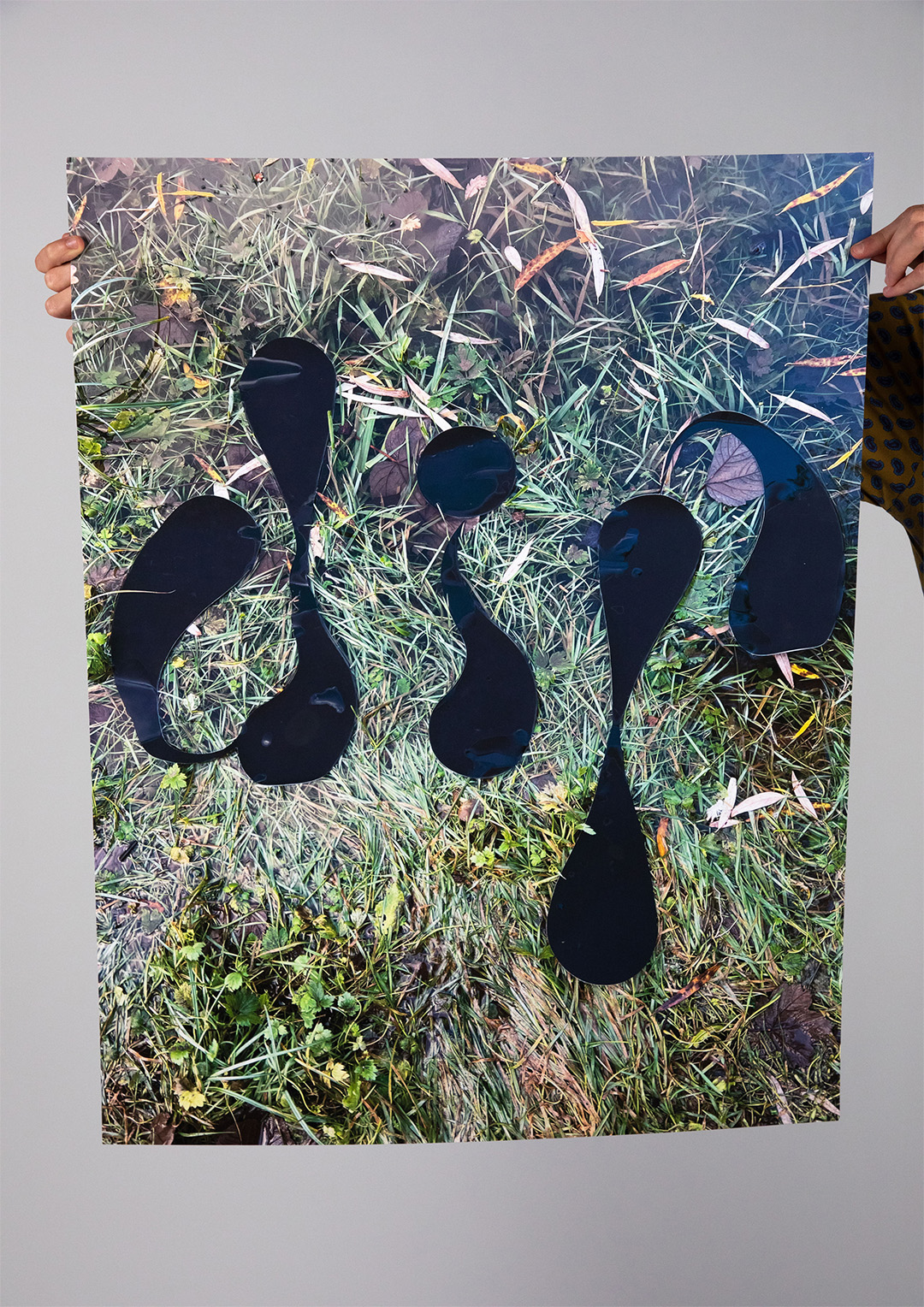
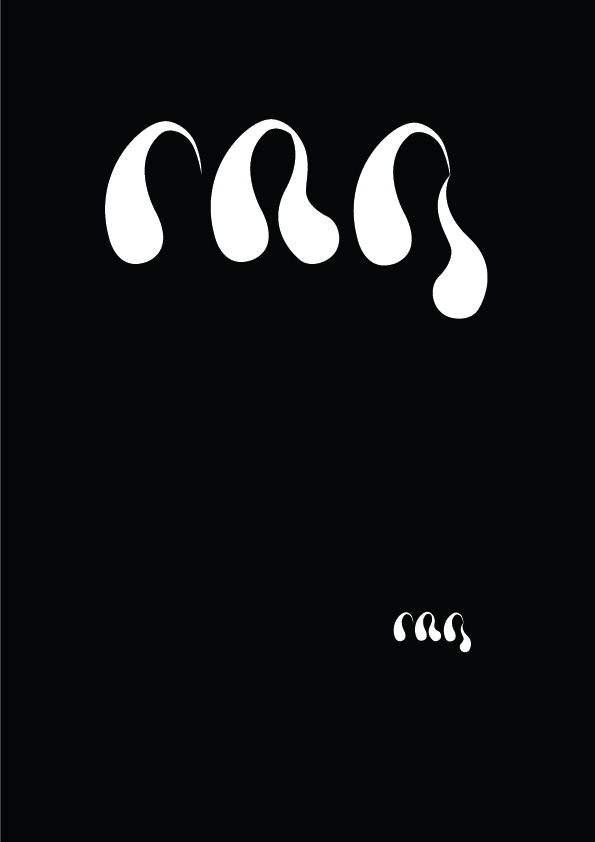
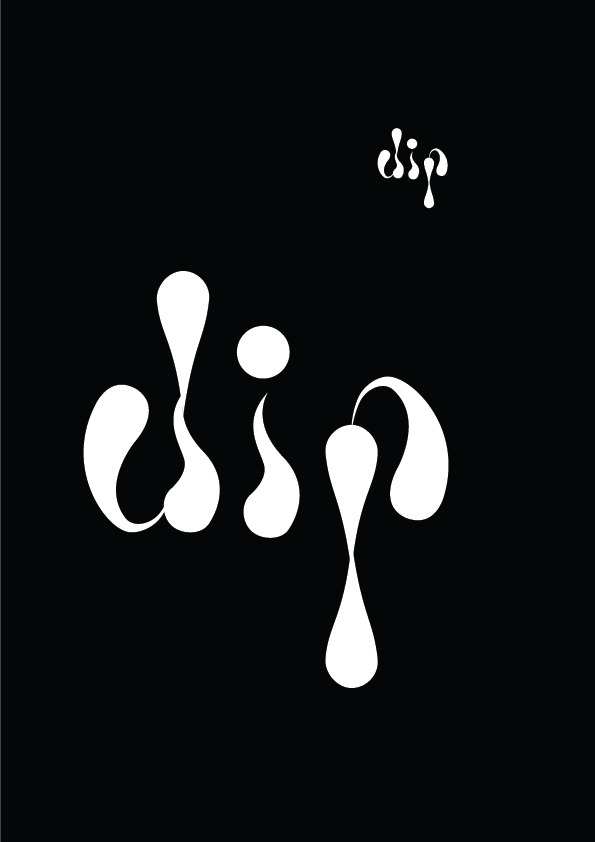
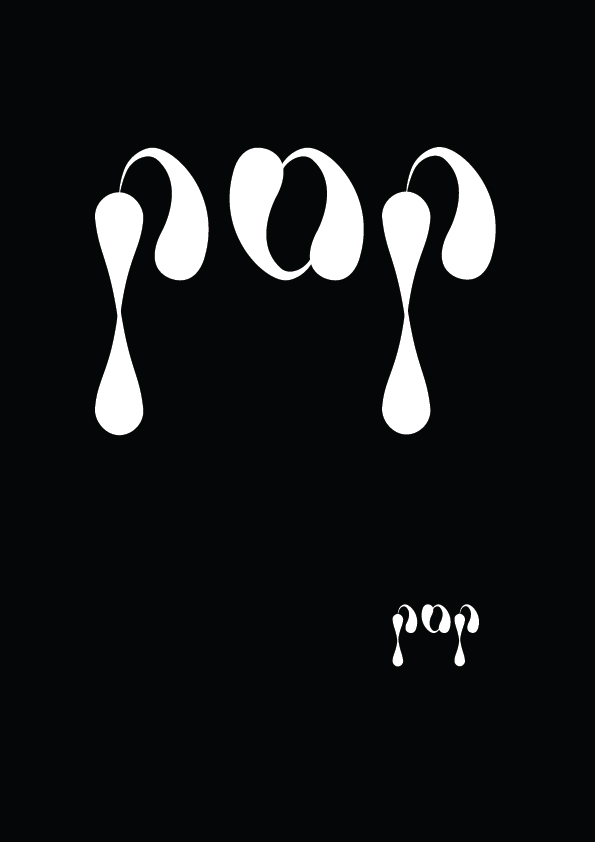
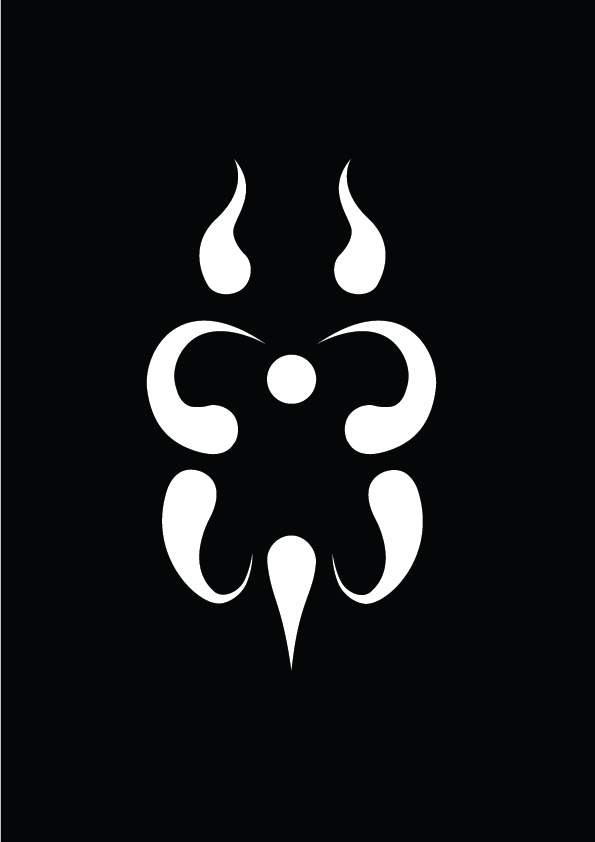
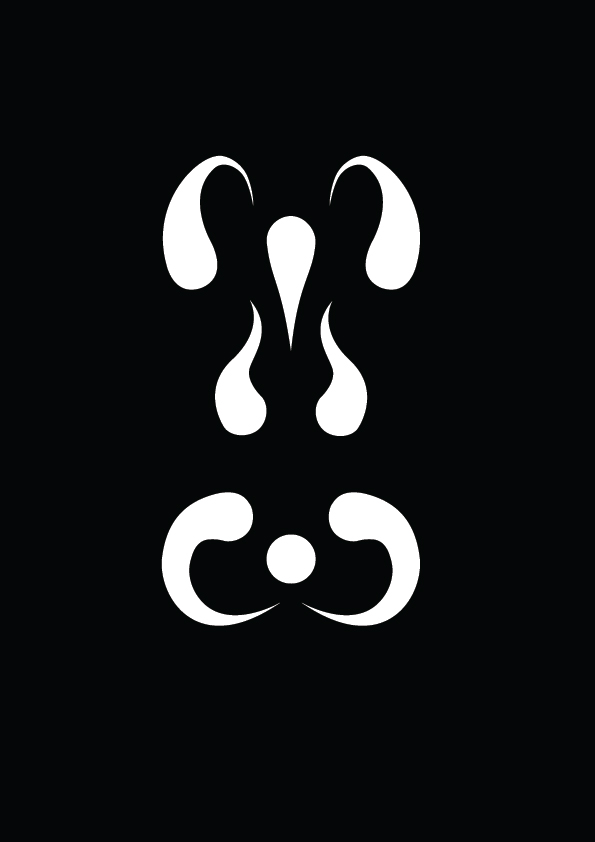
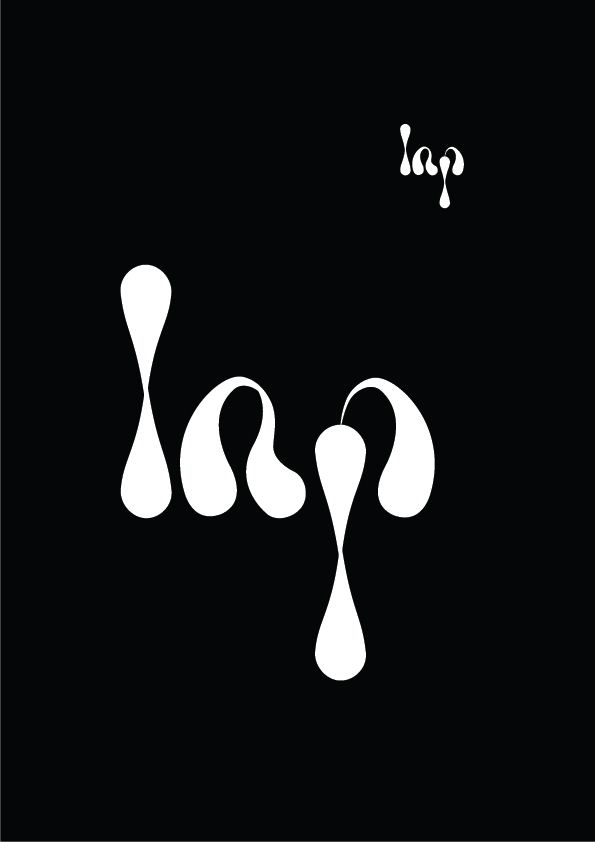
This project combines random shapes made during a drawing exercise into a modular font. Creating a unique flow between characters. As a final intervention I put in in a natural context to contrast with the organic yet rigid properties of the font.
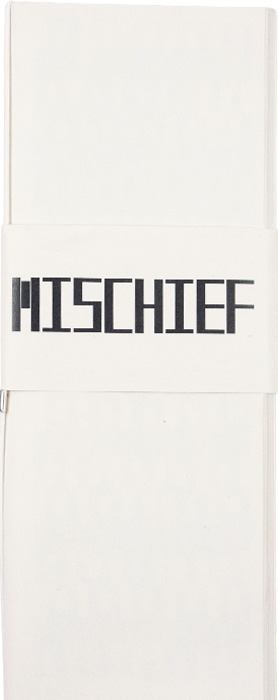
Mischief
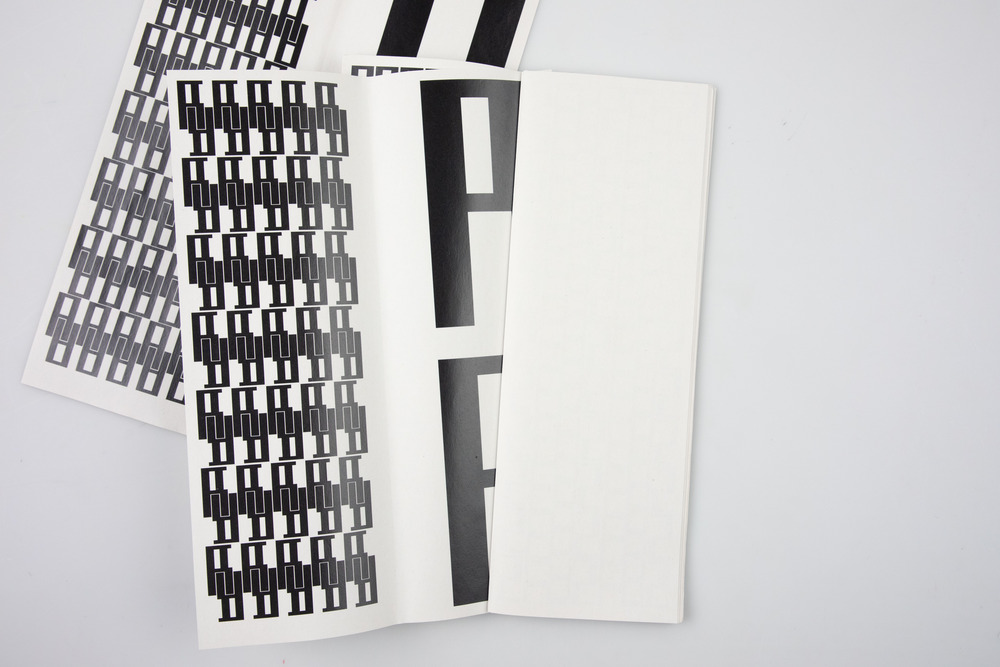
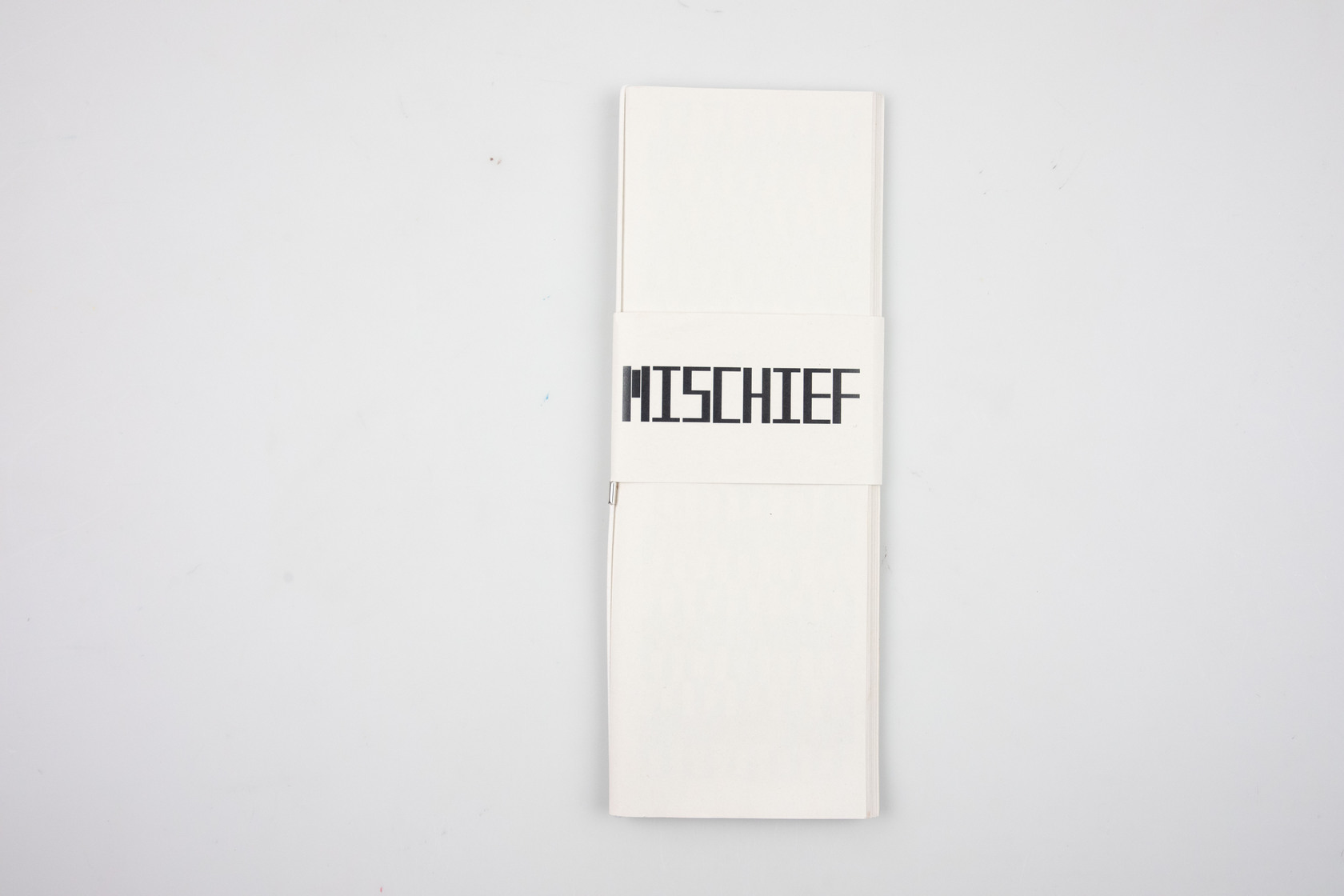
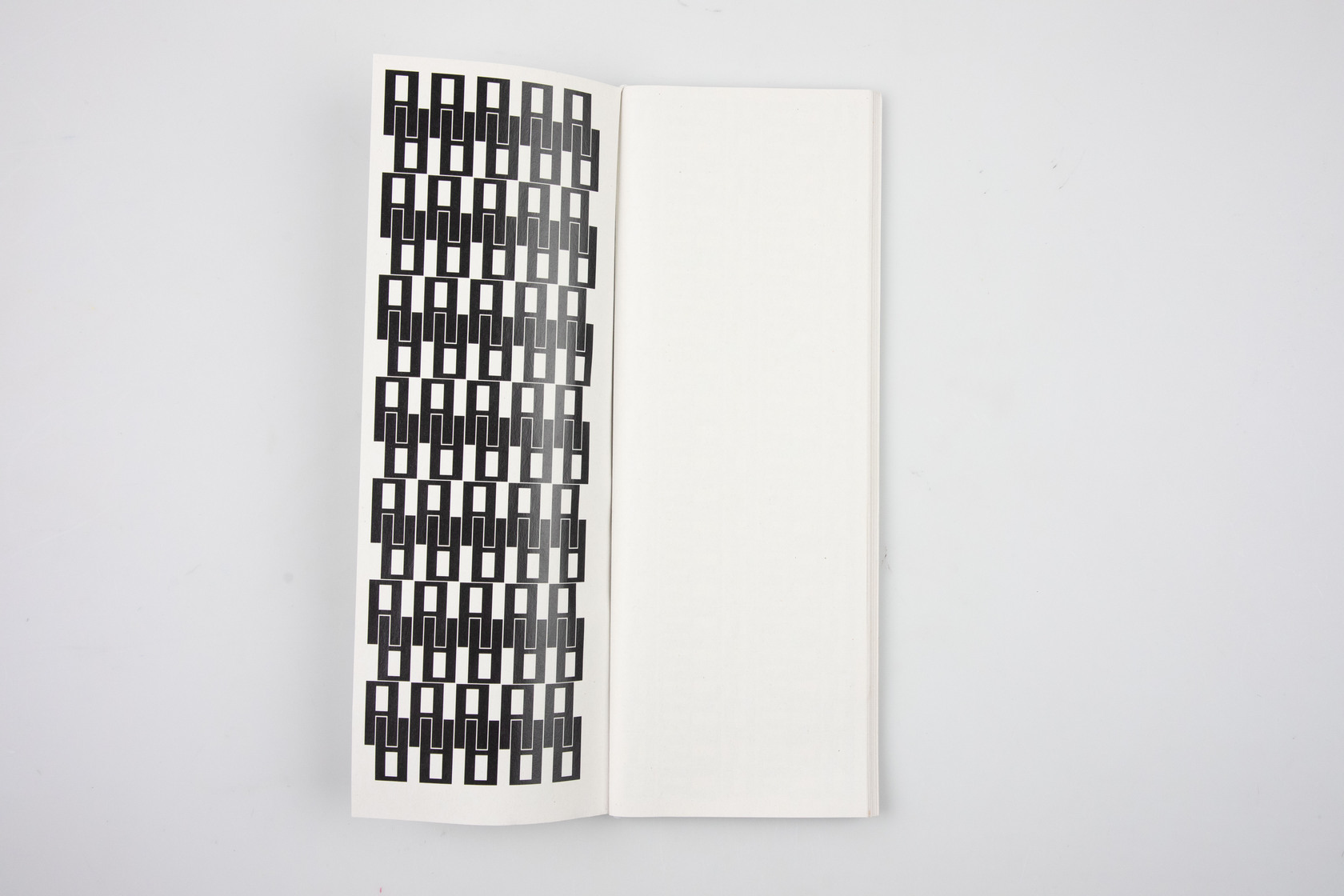
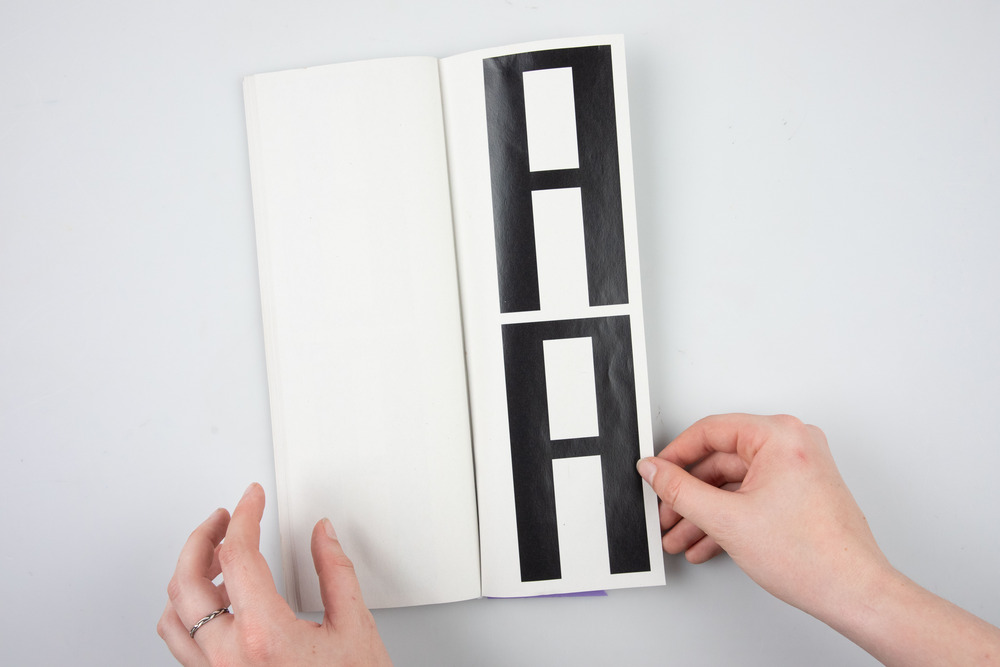
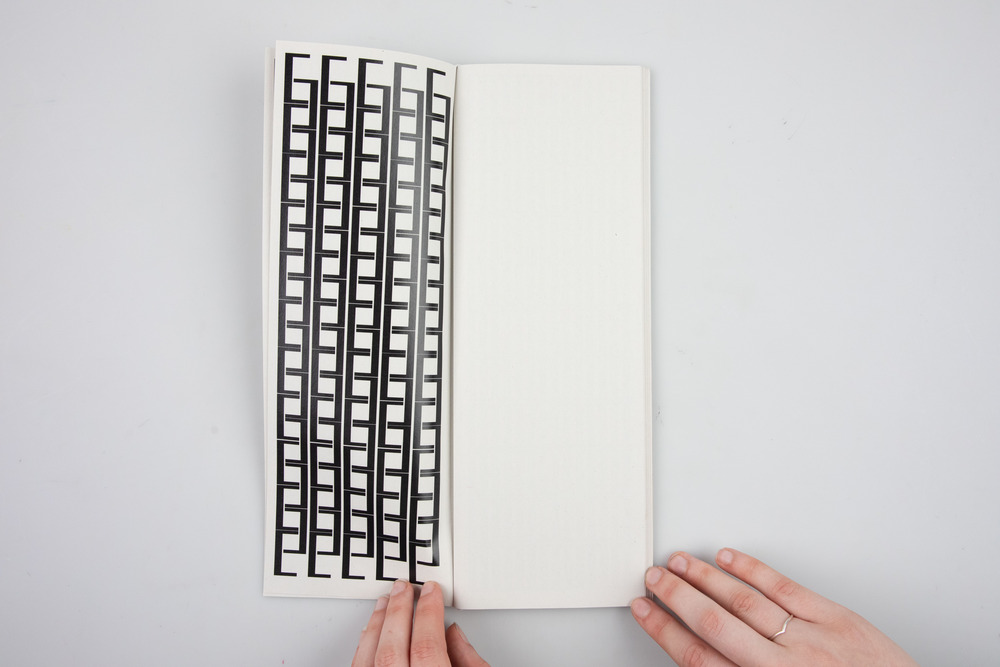
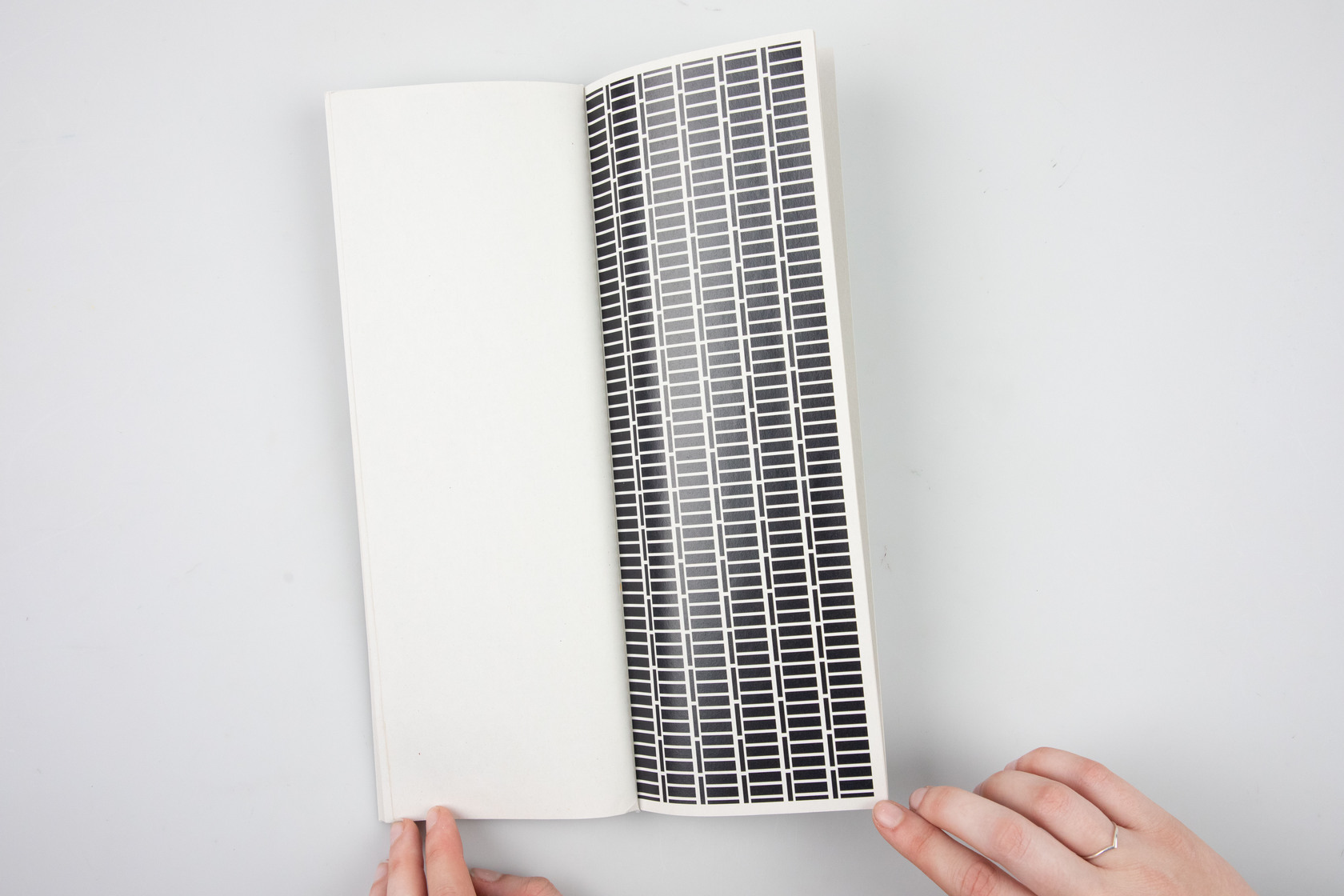
This modular font was created to be the base of a sticker collection aimed at protestors. It allows people to quickly create a sign or message and its modular nature enables endless customisation with the included simple shapes every symbol is made up of.
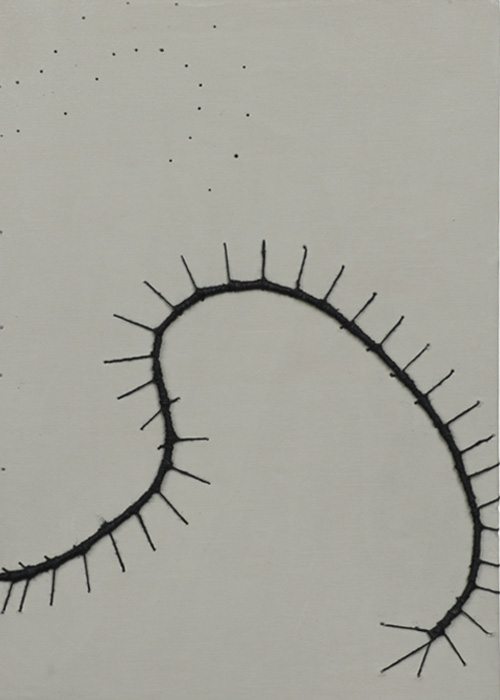
How to Collect and Preserve Insects | Herbert H. Ross
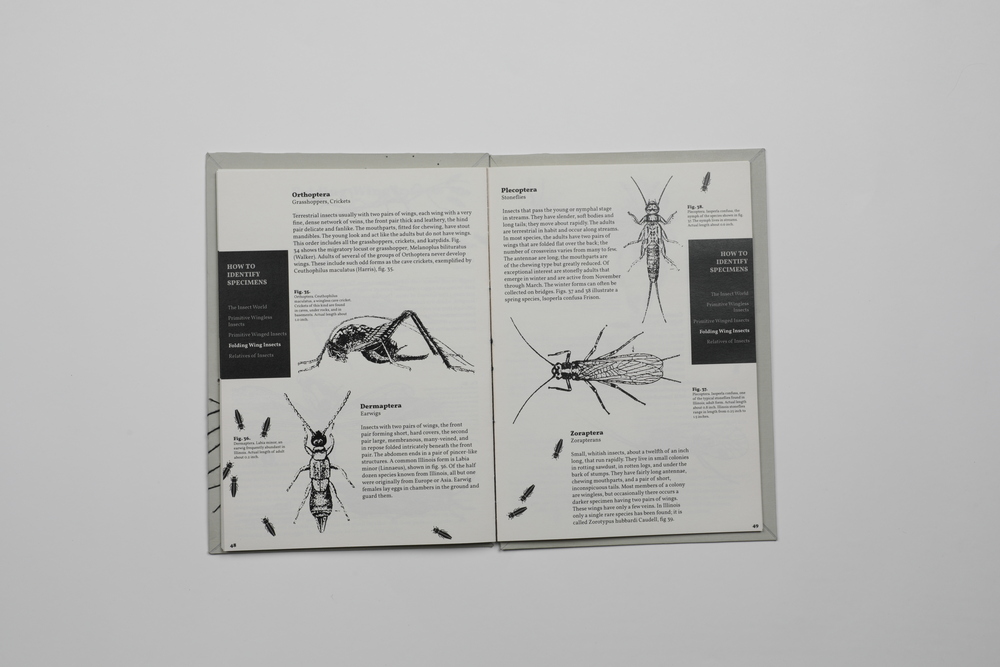
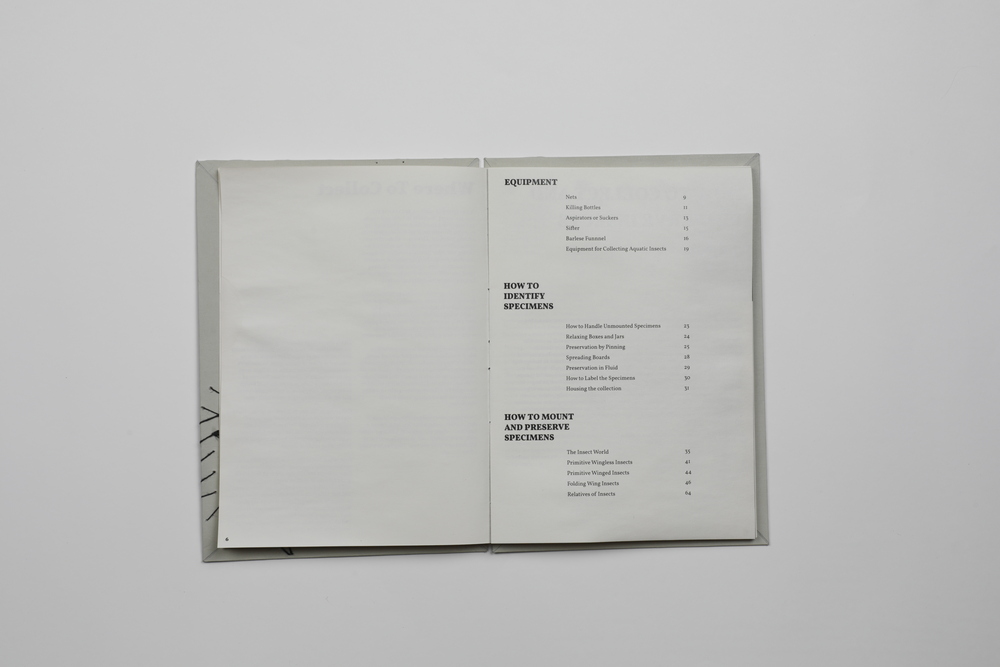
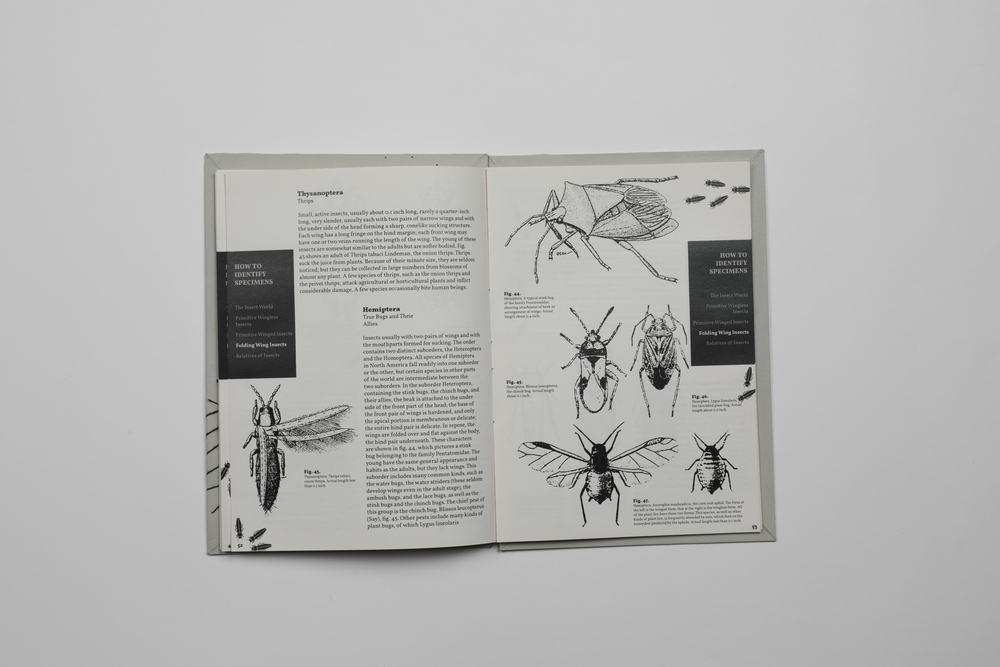
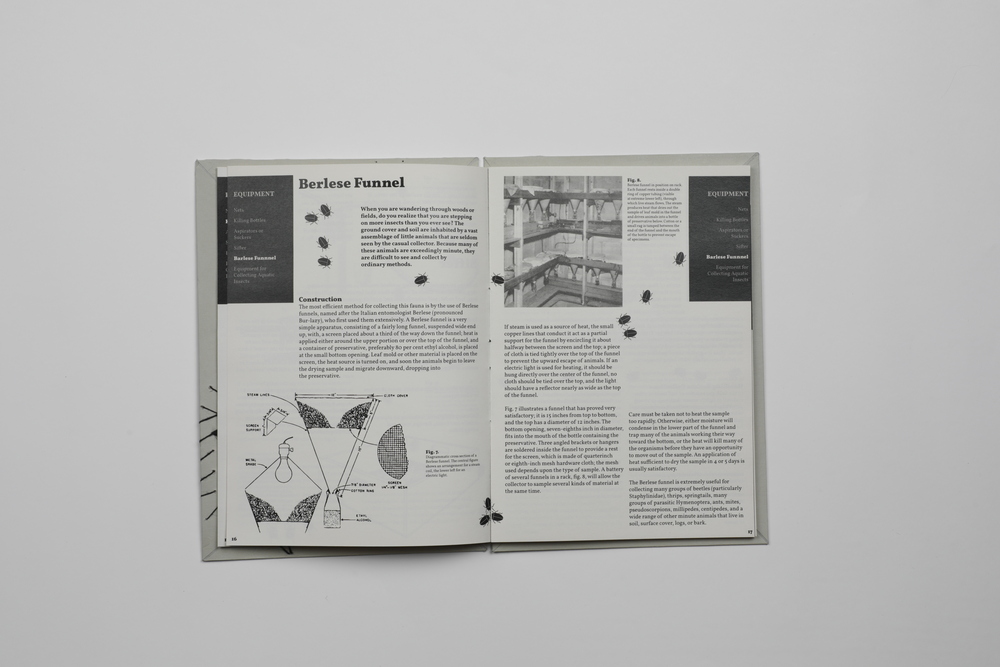
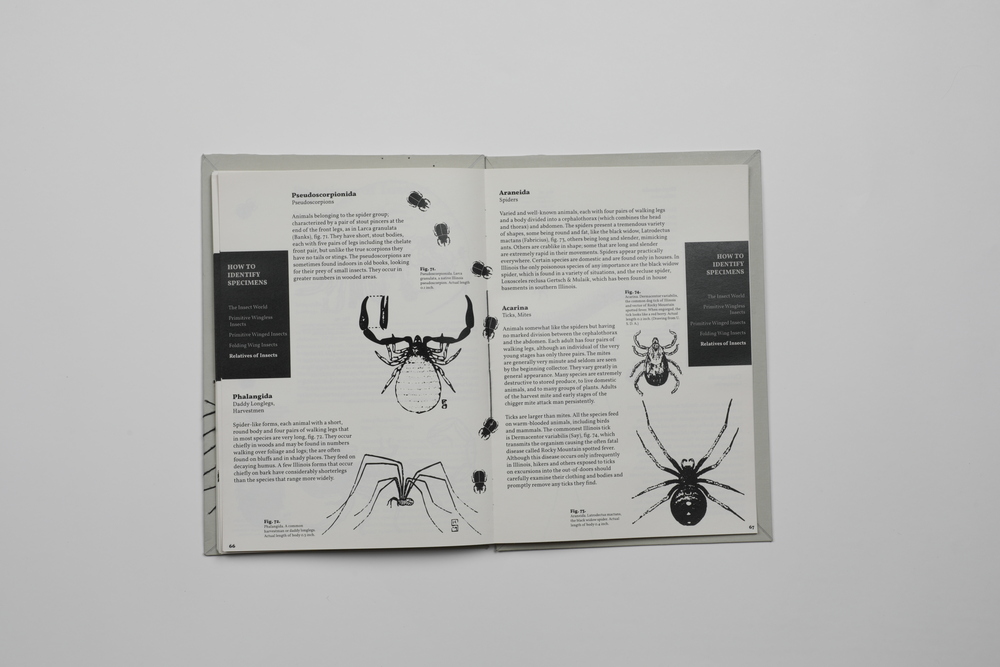
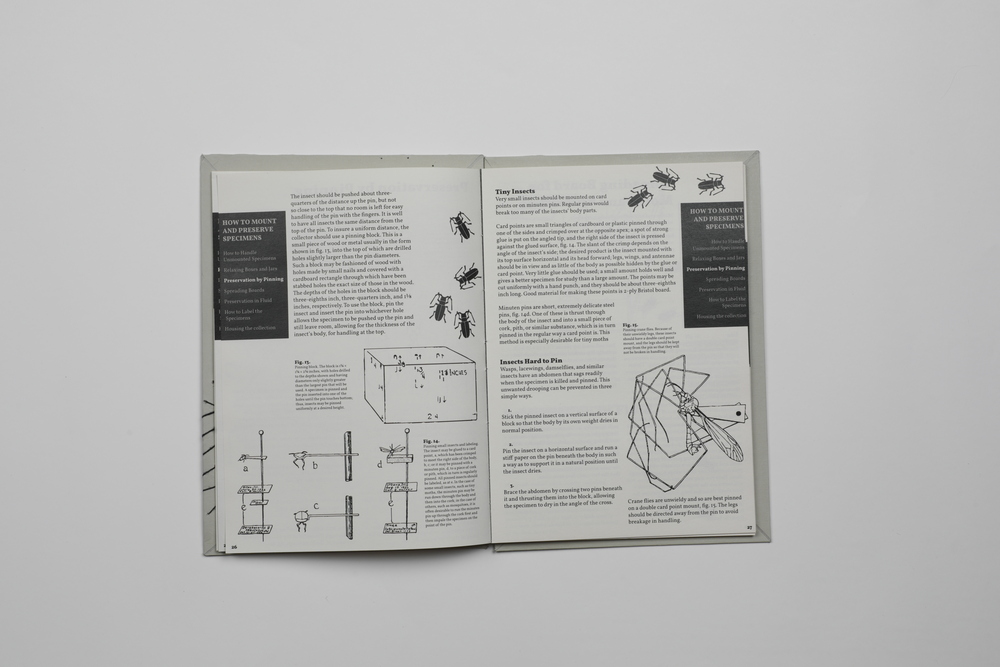
How to Collect and Preserve Insects Herbert H. Ross found on the website of Project Gutenberg fully redesigned.
In the design process a few restrictions were set. The chosen book had to be an Encyclopedia, it had to be on the topic of nature and only black and white.
The scanned in illustrations allowed for a lot of play between text blocks and images. Using the large navigation bars any topic or specific step can be easily found within the book and the cover is decorated in a large caterpillar stitch.